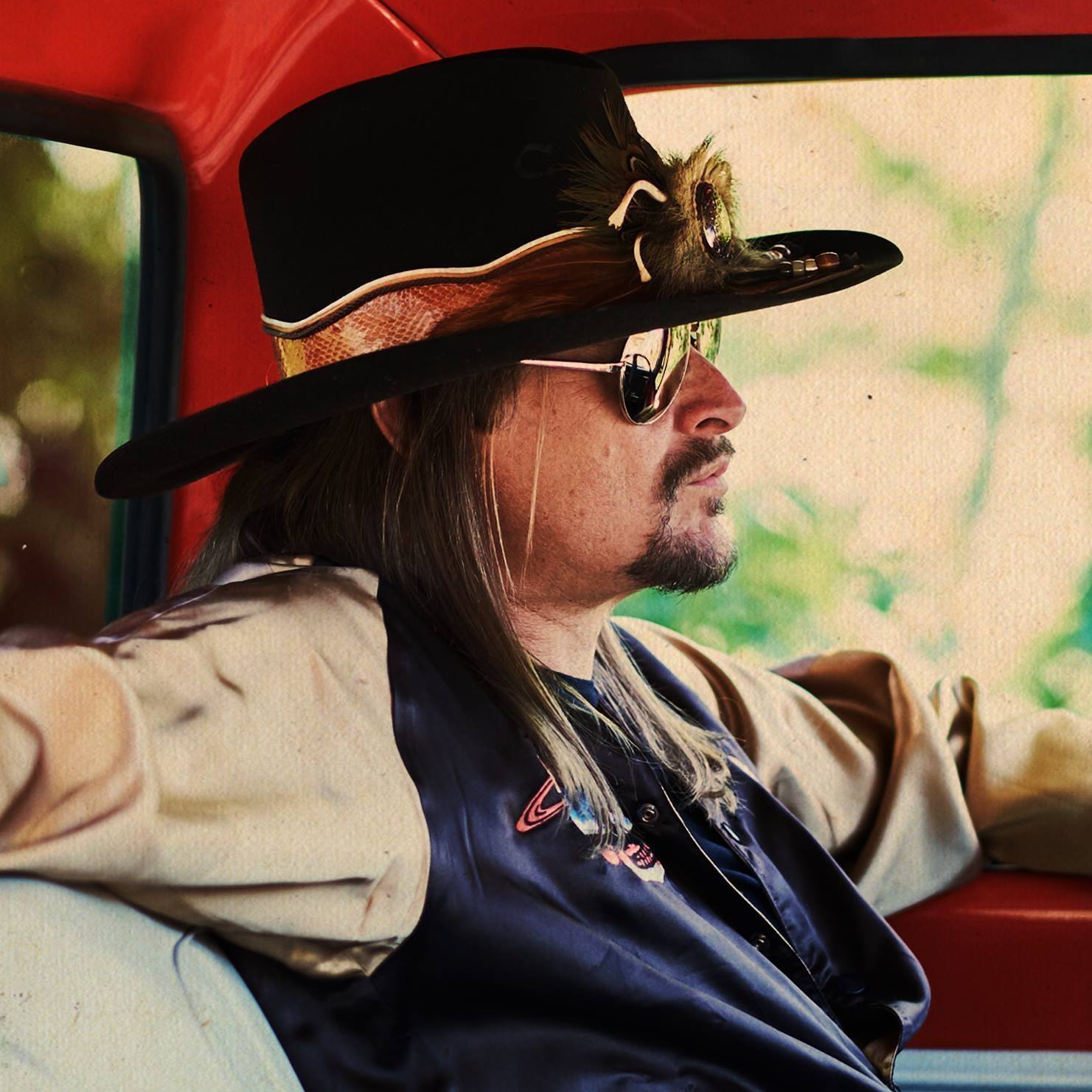
Kid Rock has made a major multi-genre impact with the release of his rendition of "Til' You Can't," originally recorded by Cody Johnson, as the track enters several major Billboard charts simultaneously - highlighted by a No. 1 debut on the Hot Christian Songs chart dated February 21, 2026.
The song opened with 3.7 million official U.S. streams and 51,000 sales during its first tracking week, also launching at No. 1 on the all-genre Digital Song Sales chart. Beyond its Christian chart success, the single debuted at No. 9 on Hot Rock & Alternative Songs, No. 14 on Hot Country Songs, and No. 69 on the Billboard Hot 100 - underscoring broad crossover appeal across multiple formats.
Industry observers point to the performance exposure generated during Turning Point USA's high-profile concert event on February 8 as a key factor in the song's strong first-week performance. The appearance took place during a widely discussed alternative halftime broadcast positioned as counter-programming to the official NFL Super Bowl LX halftime show headlined by Bad Bunny, drawing significant online attention and helping amplify the release during the chart tracking window.
The chart launch marks one of the most notable cross-genre entries of the year so far, with "Til' You Can't" connecting simultaneously with Christian, country, rock, and mainstream audiences. Industry analysts note that such multi-chart debuts reflect the increasingly fluid listening habits of streaming-era audiences and the power of live-event exposure to accelerate momentum across genres.
Originally released as a 2022 country hit by Cody Johnson, the song's renewed chart life highlights its enduring message and continued resonance with listeners. Kid Rock's version introduces the track to new audiences while further expanding its reach across the contemporary music landscape.
With strong early sales and streaming numbers, the single's performance positions it as a notable story within the current chart cycle, signaling continued conversation around genre crossover and the evolving intersections between country, rock, and faith-based music markets.


