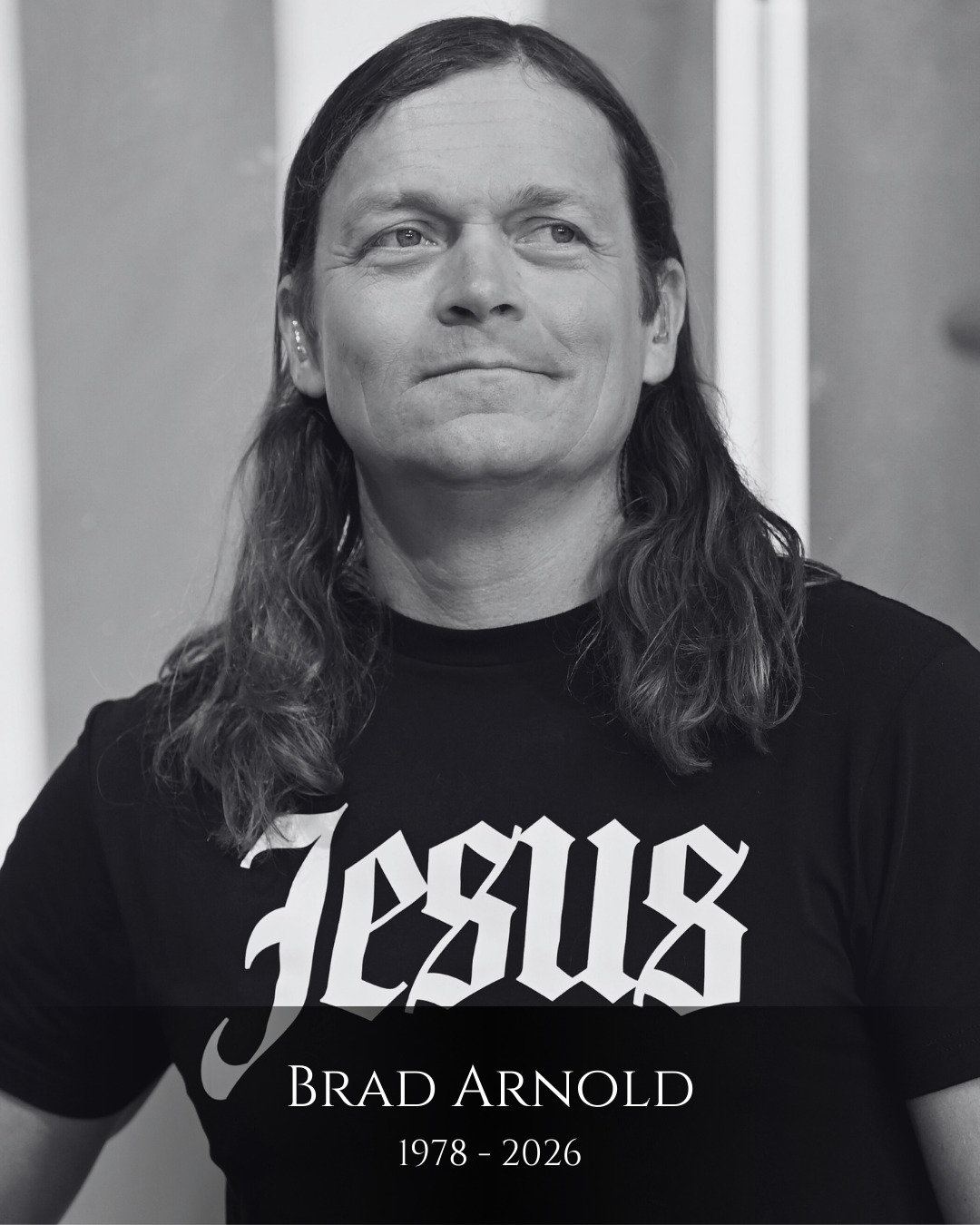
As fans around the world continue to mourn the loss of Brad Arnold, the legacy of 3 Doors Down stands tall through a catalog of songs that blended radio-dominant rock with uncommon emotional and spiritual honesty. Arnold never positioned himself as a preacher, yet his openness about prayer, faith, and dependence on God gave his music a moral gravity that set it apart from many of its peers.
Across multiple platinum albums, 3 Doors Down became known for crafting songs that spoke to inner battles, perseverance, love, regret, and redemption. Their sound balanced post-grunge muscle with melodic restraint, allowing lyrics to breathe and listeners to find themselves within the songs. Below is an extended review of five of the band's biggest Billboard Hot 100 hits, each of which reflects not only commercial success, but the deeper emotional and spiritual currents that defined Arnold's songwriting.
"Kryptonite"
More than a breakout hit, "Kryptonite" is the mission statement of 3 Doors Down's career. Built on one of the most recognizable guitar riffs of the early 2000s, the song explores weakness, fear, and the longing to be understood. Written when Arnold was still a teenager, its power lies in its confession: even the strongest people have breaking points. That honesty resonated immediately, propelling the song into the Top 3 of the Billboard Hot 100 and embedding it permanently in rock culture. Spiritually, "Kryptonite" reads like an unspoken prayer-an admission that strength alone is not enough, and that grace is needed when resolve fails.
"When I'm Gone"
Driven by urgency and emotional intensity, "When I'm Gone" captures the ache of distance and the demand to be remembered. Musically, it leans heavier than many of the band's singles, yet remains melodic and accessible. Lyrically, Arnold wrestles with loyalty, identity, and the fear of being unseen-sentiments that pushed the song into the upper reaches of the Hot 100. Beneath its rock exterior is a deeply relational cry, echoing themes of commitment and presence that align closely with Arnold's faith-shaped worldview: love must be lived actively, not passively.
"Here Without You"
This ballad revealed the band's emotional depth and broadened their audience dramatically. Stripped back and intimate, "Here Without You" rests almost entirely on sincerity. Arnold's vocal performance is restrained yet vulnerable, allowing the song's longing to unfold naturally. Its success on both pop and adult contemporary radio confirmed what fans already knew-3 Doors Down excelled when they trusted simplicity. The song's quiet faithfulness, its insistence on enduring love despite absence, has made it a favorite in moments of reflection, grief, and devotion.
"Let Me Go"
Sharper in tone and more confrontational, "Let Me Go" channels frustration and the need for release. The song's driving guitars and firm rhythm underline a lyrical struggle for clarity and freedom. While it carries a darker edge, it still fits within the band's broader narrative of self-examination and personal reckoning. In many ways, it reflects a believer's tension-recognizing what must be surrendered in order to move forward. It remains one of the band's most enduring rock-leaning singles.
"It's Not My Time"
Released later in the band's career, this song became an anthem of survival, hope, and resolve. Its message-refusing to give in, trusting that one's story is not finished-resonated deeply with listeners facing illness, loss, and uncertainty. Arnold's public reflections on faith gave the song added resonance, as many fans heard it not just as motivation, but as testimony. "It's Not My Time" stands as one of the clearest expressions of 3 Doors Down's belief that perseverance is both a human and spiritual act.
A VOICE THAT STILL SPEAKS
Brad Arnold's legacy is not defined solely by chart positions or platinum certifications, but by connection. His songs met people in their doubts and pointed them toward endurance, belief, and hope without pretense. In an era often marked by irony, Arnold chose sincerity. As these songs continue to play, they serve as both soundtrack and solace-reminders that faith can live in loud guitars, and that honest music, once sung, never truly fades.


