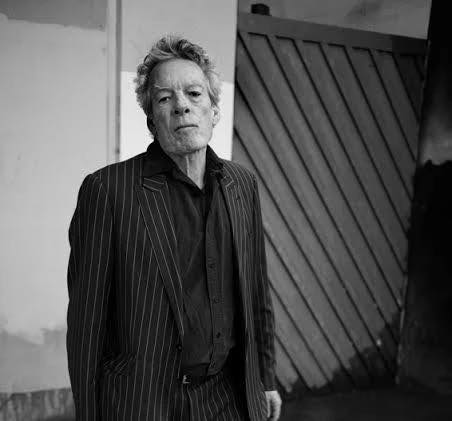
The global music community is mourning the death of Andrew Ranken, founding drummer of The Pogues, who has died aged 72. Tributes have poured in not only for his musical legacy, but for the deeper human and spiritual dimensions that shaped the band's enduring work.
Ranken, affectionately known as "The Clobberer," was a rhythmic cornerstone of The Pogues' distinctive fusion of Irish folk tradition and punk urgency. From the band's earliest days, his driving yet restrained drumming grounded songs that wrestled openly with exile, suffering, grace, redemption, and hope - themes deeply rooted in Ireland's cultural and often Christian imagination.
While The Pogues were never a confessional band, their catalogue frequently echoed biblical and theological language. Songs such as Fairytale of New York, A Pair of Brown Eyes, and Thousands Are Sailing carried a moral gravity that explored human brokenness alongside longing for mercy, home, and forgiveness. Ranken's steady pulse gave space for these narratives to breathe, anchoring chaos with order in a way many listeners have described as almost liturgical.
Following the death of frontman Shane MacGowan in 2023, renewed attention was drawn to the band's complex engagement with faith. MacGowan often spoke openly about Catholic imagery, guilt, grace, and prayer, and Ranken stood quietly alongside him for decades as those tensions were worked out in song. Together, they helped articulate a vision of faith that was bruised but honest, reverent yet unvarnished.
Bandmates paid tribute to Ranken as a man of generosity, humility, and deep loyalty - qualities that reflected the moral seriousness beneath the band's raucous exterior. In their statement, surviving members described him as the "heartbeat" of The Pogues, praising not only his musicianship but his spirit and friendship.
Ranken's passing comes as many fans revisit The Pogues' music not merely as punk rebellion, but as modern psalms for the displaced and the weary. Their songs gave voice to lament without despair, confession without sentimentality, and celebration without denial of pain - a balance that resonates strongly within faith traditions shaped by exile and hope.
He leaves behind a legacy that continues to point listeners toward something larger than the noise of the moment: a reminder that even the roughest music can carry prayers, and that rhythm itself can become an act of witness.
Andrew Ranken's beat may now be silent, but the faith-tinged longing and hard-won grace embedded in his music will continue to echo for generations.


