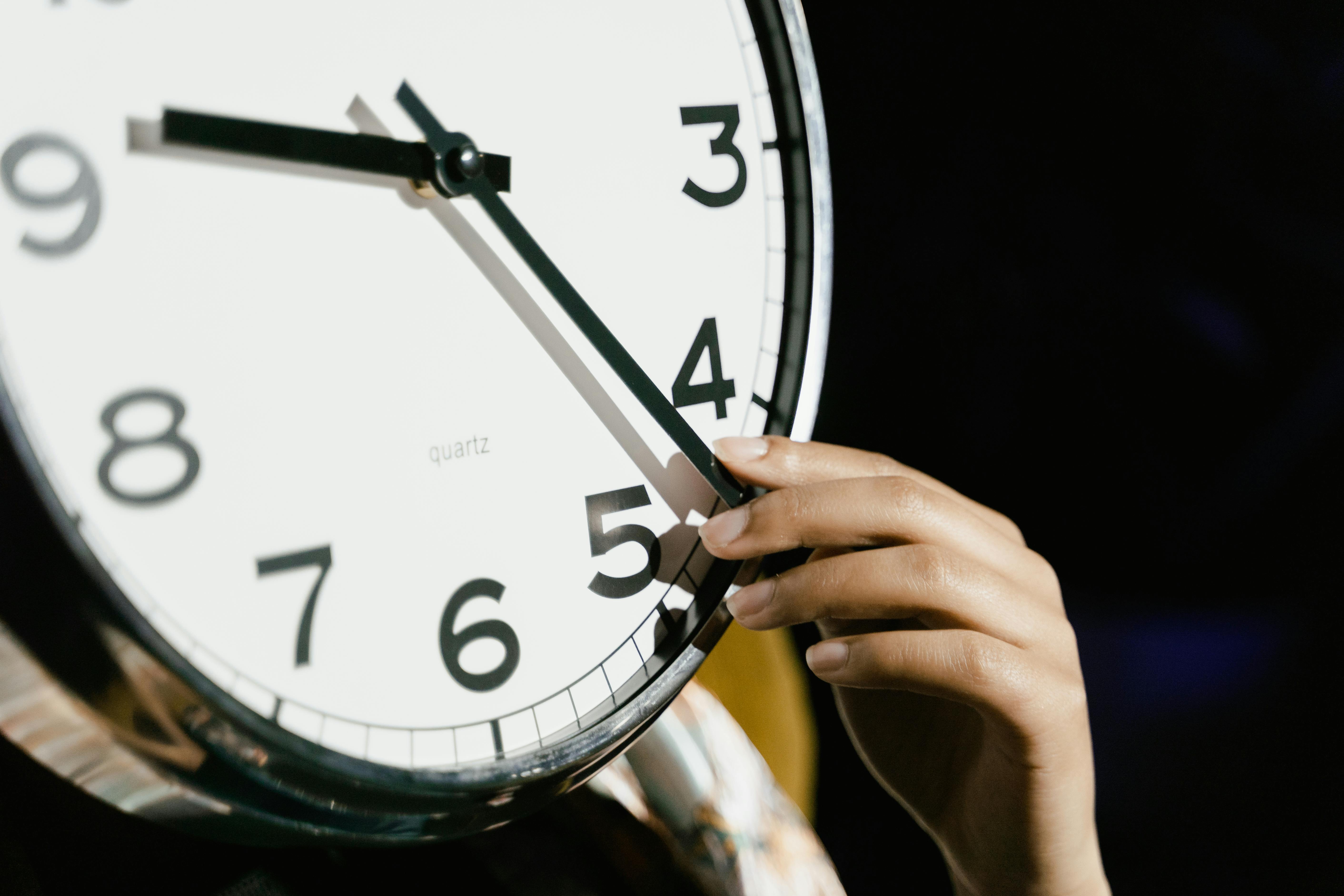
Daylight Saving Time (DST) in the United States began on Sunday, March 8, 2026, when clocks moved forward by one hour at 2 a.m. local time. The shift is commonly known as "spring forward," meaning people lose one hour of sleep as clocks jump from 2:00 a.m. to 3:00 a.m.
The change marks the start of longer daylight hours in the evening during the spring and summer months. In 2026, daylight saving time will continue until Sunday, Nov. 1, when clocks will "fall back" one hour and return to standard time.
For most Americans, the change happens automatically on smartphones and digital devices, but traditional clocks still need to be adjusted manually.
Why Daylight Saving Time Exists
The main purpose of daylight saving time is to make better use of natural daylight by shifting an hour of daylight from the morning to the evening.
Supporters say the change helps:
-
Reduce energy consumption
-
Encourage outdoor activities
-
Improve road safety with more daylight in the evening
However, the practice has long been debated. Critics argue that losing an hour of sleep in the spring can cause temporary health and safety issues, including increased fatigue and a short-term rise in car accidents and heart-related health problems.
Despite ongoing debate, daylight saving time remains widely used across the United States.
A Brief History of Daylight Saving Time
Although many people associate daylight saving time with modern life, the idea dates back centuries.
One of the earliest suggestions came from Benjamin Franklin in 1784, when he humorously proposed adjusting daily schedules to make better use of sunlight and reduce the need for candles.
More than a century later, British builder William Willett actively campaigned for daylight saving time in 1907, arguing that shifting clocks would give people more usable daylight in the evening.
The idea was finally adopted during World War I, when countries were searching for ways to conserve fuel.
The first official implementation occurred on April 30, 1916, when Germany and Austria-Hungary introduced daylight saving time to reduce coal consumption during the war. Soon afterward, other countries followed.
When the United States Adopted Daylight Saving Time
The United States first adopted daylight saving time in 1918, during World War I, through the Standard Time Act. At the time, it was commonly referred to as "War Time."
After the war ended, the nationwide requirement was repealed in 1919, though some local communities continued observing the time change.
The modern version of daylight saving time was later standardized through the Uniform Time Act of 1966, which created a consistent national schedule for states that choose to participate.
Today, the schedule is set so that clocks move forward on the second Sunday in March and move back on the first Sunday in November.
States That Do Not Observe Daylight Saving Time
While most of the United States follows daylight saving time, not every state participates.
Currently:
-
Hawaii does not observe daylight saving time.
-
Most of Arizona also remains on standard time year-round, with the exception of the Navajo Nation, which does follow DST.
Several U.S. territories-including Puerto Rico, Guam, American Samoa, the Northern Mariana Islands, and the U.S. Virgin Islands-also do not participate.
Will Daylight Saving Time Ever End?
Over the years, lawmakers have proposed changes to the system, including efforts to make daylight saving time permanent or eliminate it entirely.
One proposal, the Sunshine Protection Act, has gained attention in Congress but has not yet become law. If passed, it would allow the United States to stay on daylight saving time year-round and end the twice-a-year clock change.
For now, however, Americans should still expect to change their clocks twice a year, with the next shift occurring in November 2026 when daylight saving time ends.


