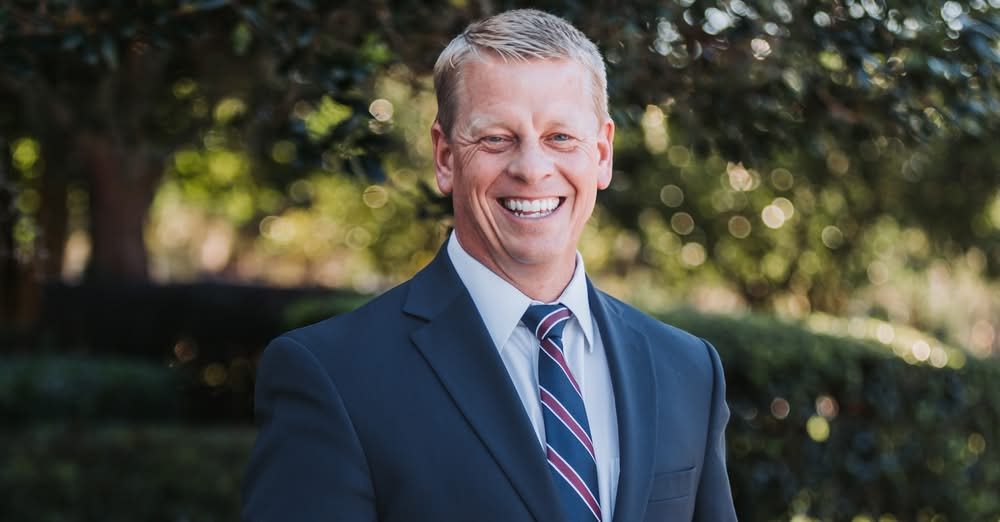
Prominent church historian and theologian Stephen Nichols has stepped down from key leadership roles at Ligonier Ministries and Reformation Bible College following his excommunication from Saint Andrew's Chapel in a development that has sent shockwaves through Reformed evangelical circles.
According to multiple reports, Nichols and his wife were formally excommunicated by Saint Andrew's Chapel in early March 2026 under the charge of "contumacy," a term indicating refusal to submit to church authority. The church notified its congregation that the couple had been "excluded from the sacraments and cut off from the fellowship of Christ's church."
The excommunication quickly triggered institutional consequences. Reformation Bible College announced that Nichols would conclude his tenure as president effective May 31, 2026, ending more than a decade of leadership. He was also removed from his role as a teaching fellow with Ligonier Ministries, the organization founded by the late theologian R.C. Sproul.
Further reports indicate that multiple ministries connected to Sproul's legacy have now severed ties with Nichols in the wake of the controversy, underscoring the seriousness of the situation within the broader Reformed community.
At the center of the dispute are allegations tied to internal conflicts at Saint Andrew's Chapel. Claims have surfaced involving accusations of misconduct and long-standing tensions with church leadership, including allegations of harassment made by a former staff member. While Nichols has publicly responded, he maintains that the excommunication was not based on the underlying allegations themselves but on procedural grounds related to non-compliance with church processes.
Nichols, a well-known voice in Reformed theology, has served as president of Reformation Bible College and chief academic officer for Ligonier Ministries, contributing extensively to theological education, publishing, and church history scholarship. His departure marks a significant leadership transition for institutions closely associated with Sproul's theological legacy.
The situation continues to unfold, with observers noting the broader implications for church governance, accountability, and institutional integrity within Reformed networks. As discussions continue, the case highlights the complex intersection of personal conduct, ecclesiastical authority, and organizational leadership in contemporary Christian ministry contexts.


