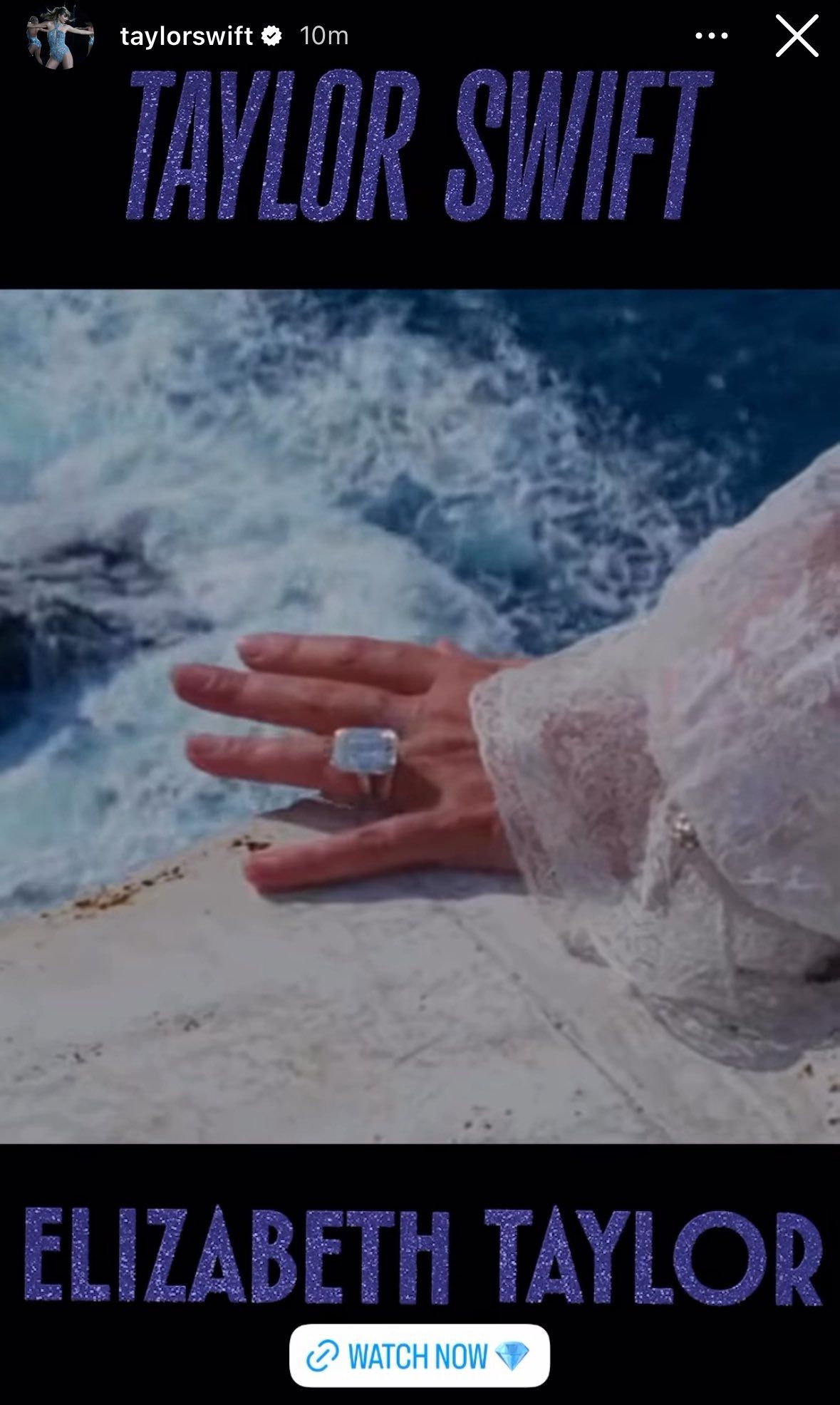
Taylor Swift has unveiled the official music video for "Elizabeth Taylor," the third single from her The Life of a Showgirl era, offering a visually rich tribute to old Hollywood that also opens the door to deeper reflection on identity, beauty, and what ultimately endures.
Rather than appearing in the video herself, Swift fills the screen with archival footage from films starring legendary actress Elizabeth Taylor. The result is a montage of iconic cinematic moments-romantic, glamorous, and emotionally charged-allowing Taylor's on-screen presence to carry the narrative while Swift remains entirely absent.
The creative decision marks a notable shift from Swift's typically story-driven visuals and invites viewers to look beyond performance and persona. The imagery of classic film, once celebrated in its time and now preserved as cultural memory, subtly underscores the fleeting nature of fame and outward beauty. For Christian audiences, the video resonates with the biblical truth that human glory is temporary, echoing the reminder that what is seen fades, but what is eternal holds lasting value.
Elizabeth Taylor's life-marked by extraordinary success, public fascination, and personal complexity-becomes more than a subject of admiration; it becomes a lens through which to consider legacy. The video's tone suggests that recognition and cultural impact, while significant, are not the ultimate measure of a life well lived. Instead, it invites reflection on deeper questions of purpose, identity, and what remains when the spotlight dims.
Swift's absence from the video further amplifies this idea. By removing herself from the frame, she shifts attention away from modern celebrity and toward contemplation, creating space for viewers to consider where they locate their worth. In a culture driven by visibility and self-presentation, the restraint of the video feels intentional and thought-provoking.
While "Elizabeth Taylor" is not overtly faith-based, it offers a meaningful cultural moment for reflection. It encourages viewers to think about the kind of legacy they are building and whether it is rooted in temporary recognition or something more enduring. For believers, it serves as a reminder that true identity is not found in applause or image, but in a life grounded in faith, purpose, and eternal significance.
Right now, the official "Elizabeth Taylor" music video by Taylor Swift is not widely available on YouTube yet.
Here's where you can watch it:
Where to watch the official video
- Apple Music - available to subscribers
- Spotify (Premium) - available to paid users


