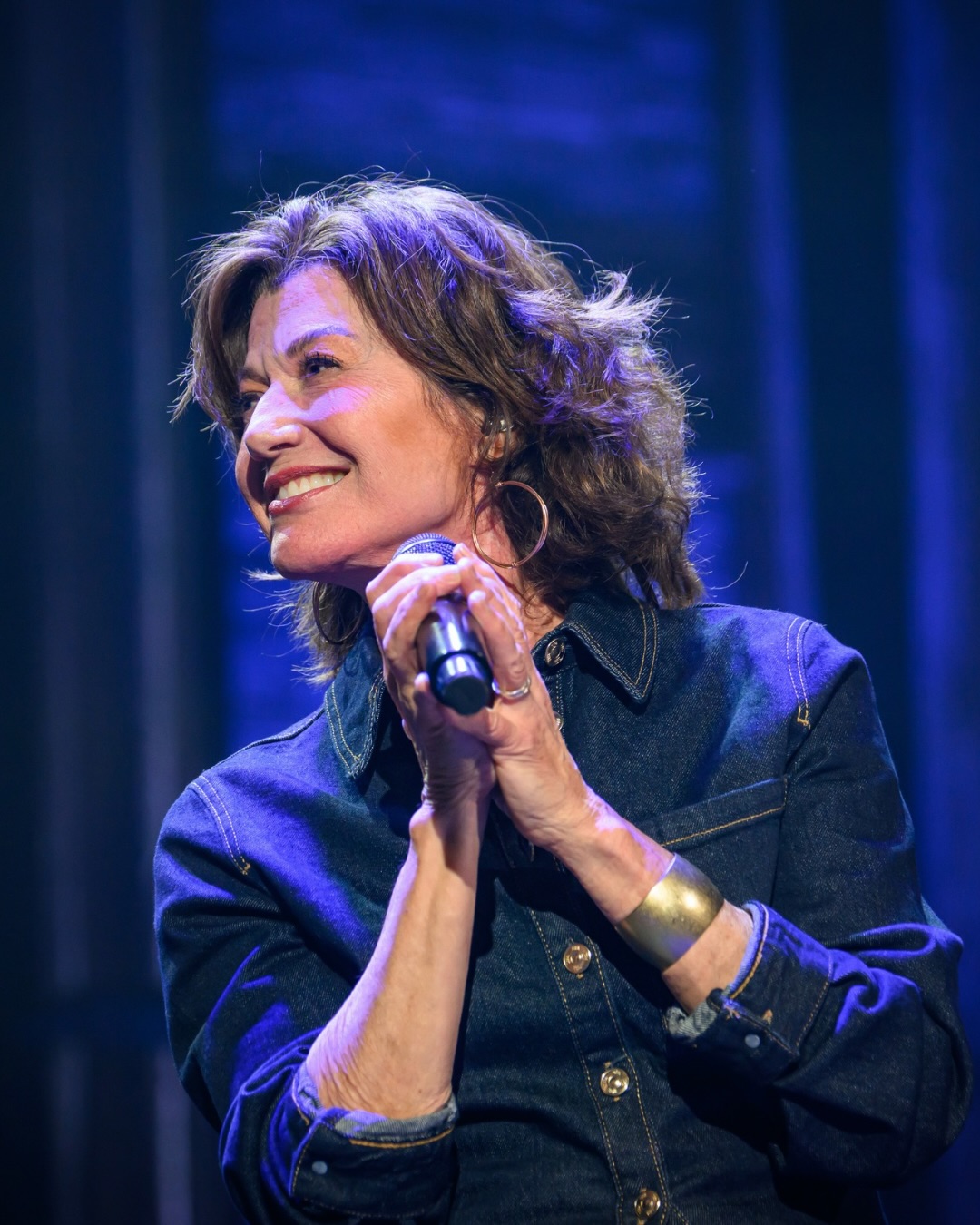
Amy Grant is reflecting on recovery, creativity, aging, and resilience in a deeply personal new conversation with Andrew Osenga on The Pivot Podcast.
The nearly hour-long interview arrives as Grant continues promoting her latest album, The Me That Remains, her first collection of new music in 13 years. Throughout the conversation, the Christian music icon candidly discusses the lasting effects of her 2022 bike accident, the neurological recovery that followed, and how the experience reshaped both her life and artistry.
Grant revealed that the album emerged during a difficult season marked by memory challenges and uncertainty about whether she would fully regain certain abilities. Speaking about a key moment during her recovery, she recalled a doctor encouraging her with two simple words: "lean in." That advice became a turning point.
"I felt myself pulling back," Grant shared during the interview, explaining how the accident affected her confidence and creativity. Instead of retreating, she chose to return to songwriting and music-making in a completely different way than before.
Unlike previous albums, Grant said The Me That Remains was created independently, without a traditional record deal or producer arrangement. She described writing as a form of therapy during recovery, especially as lingering short-term memory struggles made melody-writing more difficult. Lyrics, however, became an anchor.
The singer also reflected on what she has learned through years of health challenges, including her past open-heart surgery and the aftermath of her biking accident. One of the interview's strongest themes centered on what Grant called "incremental change over the long haul."
"What can be accomplished with consistent effort over a long period of time," she said, has become one of the greatest lessons of her recovery journey.
Elsewhere in the conversation, Grant opened up about aging gracefully, admitting that making music in her 60s feels very different than earlier in her career. Rather than trying to recreate the sound or image of her younger years, she said she has embraced the peace and perspective that come with age.
"There's a sense of peace on this project," Osenga observed during the interview, praising the album's reflective and intimate tone. Grant agreed, describing the record as "age appropriate" and free from the pressures that often shape modern pop music.
The interview also explored deeply emotional moments behind several songs on the album, including "The Other Side of Goodbye," inspired by the death of Grant's mother after time in hospice care. Grant shared how family memories and conversations eventually shaped the song's lyrics years later.
Another major topic was the album's striking collage artwork, created by artist Wayne Brezinka. Grant explained that the artwork was built from personal objects, childhood memories, family artifacts, ticket stubs, handwritten notes, and keepsakes collected throughout her life.
By the end of the interview, Grant emphasized gratitude, simplicity, and presence as central themes in this chapter of her life.
"I wake up," she said with joy while recalling a story about her daughter as a child. "I got another day."
Related Article:
Album Review: Amy Grant Delivers Her Most Arresting Work in Decades on "The Me That Remains"


![Majesty (Here I Am) [Official Live Session] --- Stu Garrard & Darlene Zschech](https://jubileecast-29b4.kxcdn.com/data/videos/thumbnail/1147/majesty-here-i-am-official-live-session-stu-garrard-darlene-zschech.jpg?w=436&h=265&l=50&t=10)


