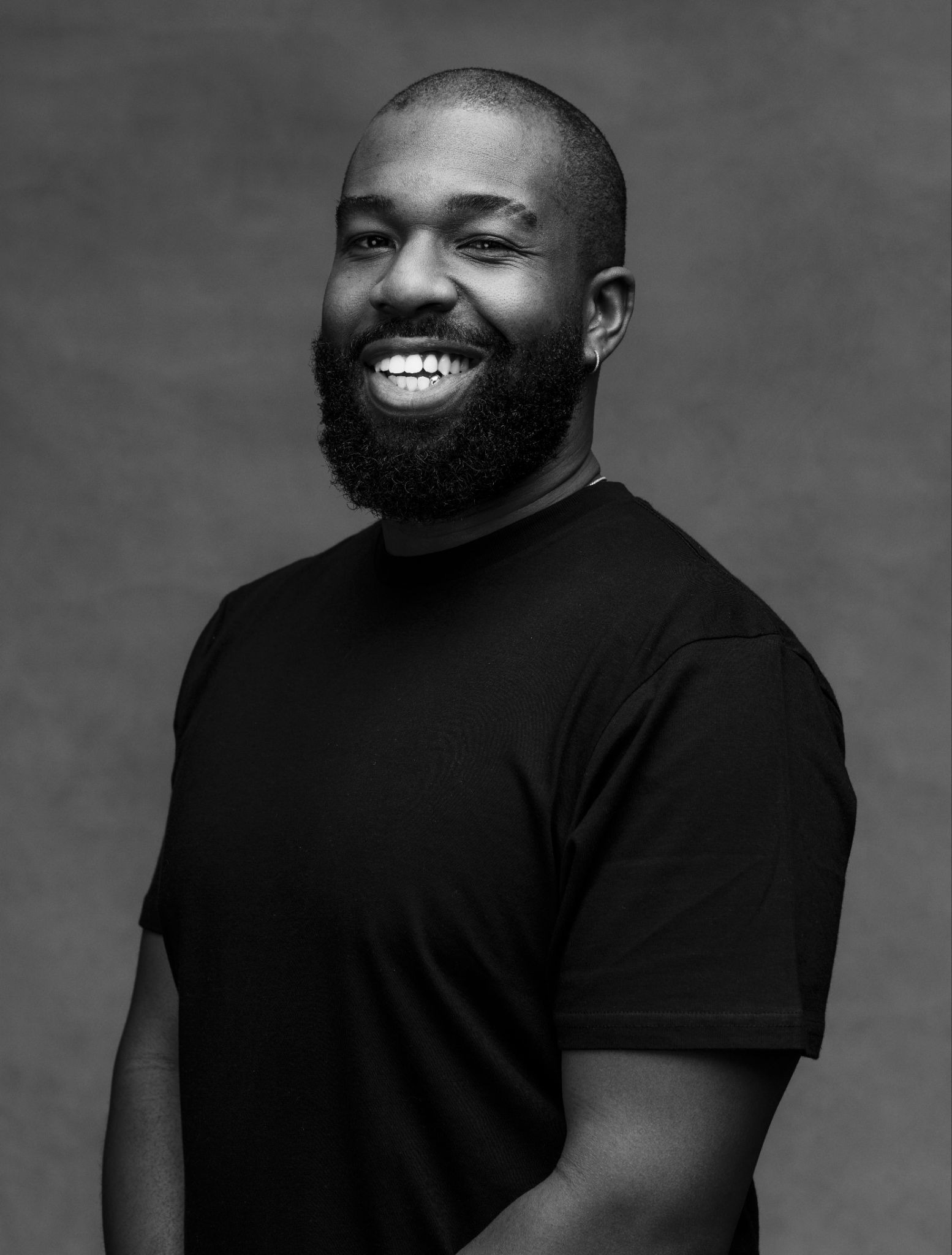
Grammy-nominated producer, musical director, and artist manager Matthew Burnett has worked with some of today's biggest artists, including Daniel Caesar, Giveon, Tyla, Snoh Aalegra, Victoria Monét, and Kelly Rowland. As a principal producer behind Daniel Caesar's critically acclaimed album Freudian and co-manager of the Grammy-winning artist, Burnett has earned a reputation as one of the music industry's most innovative creative forces. Yet long before working with chart-topping artists, his musical journey began in church, where he was raised by two pastors and immersed in gospel music from an early age.
While his career has taken him to the highest levels of the music industry, Burnett says his Christian faith has remained the foundation of everything he does. In this exclusive interview, he reflects on how growing up in church shaped his musical identity, his long-standing creative partnership with Daniel Caesar, the challenge of navigating faith in the mainstream music world, and why he believes God continues to direct every step of his remarkable journey.
Q. For those who may be discovering you for the first time, who is Matthew Burnett-both as an artist and as a person?
Matthew Burnett the artist is a Musician, Music Producer, Music Director and Music Manager. The person? Middle child born to two pastors, I'm someone who inherently loves Jesus and the gift of Music that He gave me. Growing up in Church created the best incubator for this gift which ultimately laid the foundation of my career. However, I always felt that my calling (and ministry in general) wasn't limited to just inside the four walls of the Church. It was this belief that would pilot my journey through navigating the intersectionality of Church and World.
Q. You've worked closely with Daniel Caesar for years-how has that creative and spiritual partnership shaped both your sound and your approach to producing?
One of the things Daniel and I bonded over was the similarities of our spiritual upbringings. The Bible says iron sharpens iron, and we quickly felt ourselves exemplifying that. We often shared references of Gospel songs we were both raised on and would even fill in the blanks of songs that we each may have missed along the way; this helped inform the foundation of the music we made. Not only that, but Daniel was exposed to a lot more alternative music than I was growing up, while I was exposed to a lot more R&B than him. Beyond the musical tendencies we both brought to the table, sharing these vastly different parts of our worlds really helped my sound and production approach evolve. It opened me up to a sea of references and inspiration I would never have been exposed to.
Q. Growing up in a pastoral home, how did your early experiences in church and gospel music form the foundation of your identity as a producer and musical director?
I always say Church is the perfect environment for fostering supernatural talent. Gospel music was my introduction to music, and to say it became the bedrock of my musical DNA is an understatement. It's where I learned groove, feel, pocket, harmony, melody, soul and what the anointing through song felt like. This, combined with the live nature of Gospel music, became the basis of both my Production and Musical Direction career. I then took these tools and put them into practice, workshopping them week after week at Church until they became a part of me. It was also the first place I played in a band, let alone became the band leader, which essentially whipped me into shape to later pursue Music Direction as a career path.
Q. Your work spans artists like Giveon, Tyla, and Victoria Monét-how do you adapt your creative process while staying true to your core musical and spiritual convictions?
I mentioned navigating the intersectionality between Church and World earlier, and this reminds me of another spiritual quest of mine: always strive to be both Heavenly minded and earthly good. I've done my best to really understand the musical world of every artist I've worked with, while also not being afraid to inject the sound God gave me at the same time. Numerous times, people have commented on my work with artists, saying things like, "There's just something about this...it feels and sounds so God-filled." This is the biggest compliment I could ever receive because it underscores the truth that God can be glorified in anything. It's the anointing that breaks the yoke and goes the distance; we just can't be afraid of putting a lil oil on it!
Q. Faith is clearly central to your journey-can you share a moment in your career where you felt God directly guiding a major decision or opportunity?
The moment that comes to mind is when I was about 16 or 17 years old at my district Church's Convention and received a prophecy. I remember being called to the front where our district Bishop, among many things, said that "God told him I would walk amongst great men." At the time I didn't know exactly what that meant, but the true test of a prophecy is if it comes to pass. A year later I got the call to fly to LA and work with my first A-list artist. That same year, I went on to meet some of the music industry's biggest titans; this was just the beginning. Safe to say, the prophecy came to pass.
Q. In an industry often driven by trends, what does it mean for you to create music that is both culturally impactful and spiritually grounded?
I've done my best to avoid trend chasing and just make music that feels right. Boi-1da, one of my mentors and the first person to ever take a chance on me, would often say good music will always find a home, even if it takes some time. What this taught me was to prioritize making something that felt right for the times but came from your soul and letting it be who it's for. I believe I'm one of God's vessels and strive every day to only let out what He puts in. This has been my guiding compass I've relied on for years, and it's yet to let me down.


