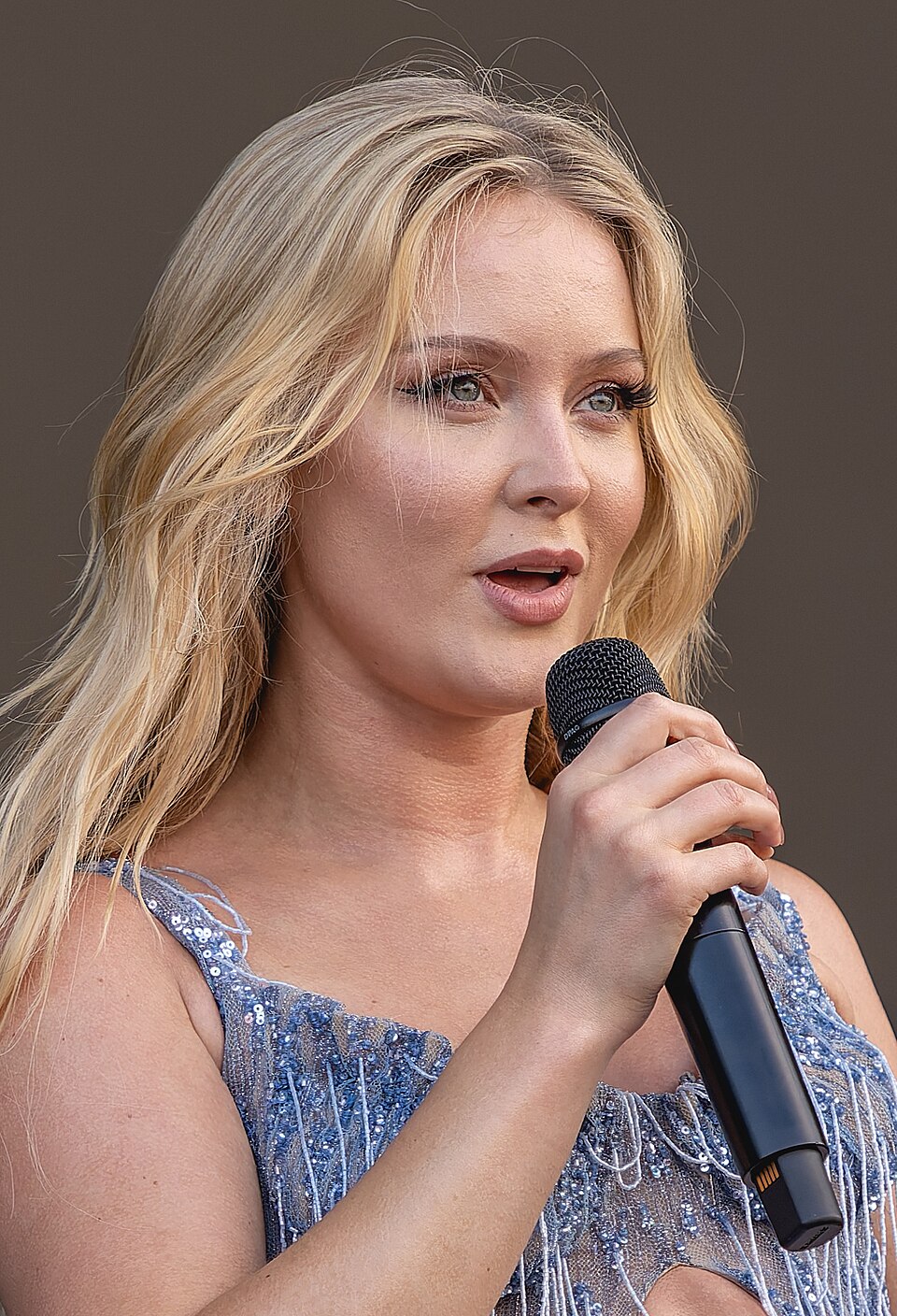
Swedish pop star Zara Larsson has once again found herself at the center of an international firestorm after confirming she turned down a Eurovision-related performance opportunity because of Israel's participation in the competition.
The "Lush Life" hitmaker, who has been an outspoken critic of Israel's military campaign in Gaza, said she could not take part in the beloved song contest while the conflict continues. Her decision has sent shockwaves through the Eurovision community and reignited one of the most divisive debates surrounding the competition in recent years.
Larsson's refusal comes as pressure continues to mount on Eurovision organizers over Israel's inclusion. The contest has faced repeated calls for boycotts, open letters from artists, and growing protests from fans who believe the event should take a stronger stance on the war in Gaza. Others insist Eurovision must remain politically neutral and continue its long-standing tradition of bringing nations together through music.
The singer's decision has quickly become one of the biggest celebrity flashpoints surrounding this year's Eurovision conversation. Social media erupted almost immediately, with supporters applauding her willingness to sacrifice a high-profile appearance for her convictions, while critics accused her of injecting politics into one of the world's largest entertainment events.
Larsson has never shied away from expressing her political views. Throughout the conflict, she has used her platform to speak out about the humanitarian crisis in Gaza and has been vocal about her support for Palestinian civilians. Her latest decision further cements her reputation as one of pop music's most outspoken artists, even when doing so risks alienating portions of her audience.
The controversy arrives at a time when Eurovision itself is facing unprecedented scrutiny. Once celebrated primarily as a colorful celebration of music and culture, the annual contest has increasingly become a battleground for political disputes, with every decision by organizers drawing intense global attention.
While Eurovision officials have maintained that the competition is a non-political event, critics argue that international conflicts have made it nearly impossible to separate entertainment from world affairs. Larsson's decision has only intensified that debate, with commentators questioning whether artists have a responsibility to take public stands or whether such decisions undermine the spirit of the competition.
As reactions continue pouring in from across Europe and beyond, Zara Larsson's refusal is likely to remain one of the defining controversies of this Eurovision season. Whether hailed as an act of moral conviction or criticized as unnecessary political activism, her decision has ensured that the conversation surrounding Eurovision extends far beyond the music itself.


