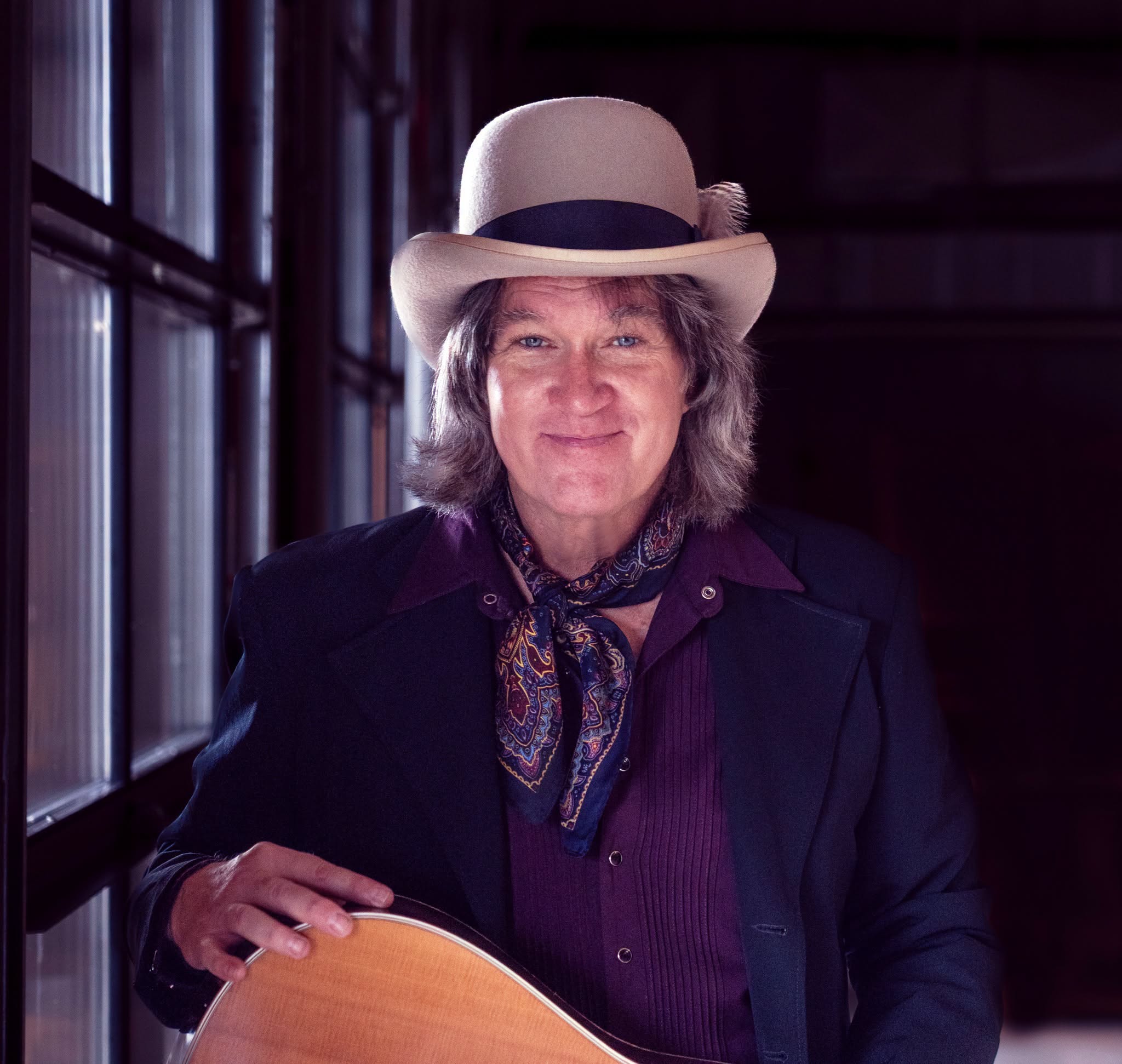
After years of pouring himself into family, producing award-winning projects, and weathering seasons of profound joy and heartbreaking loss, Chris Golden is back with one of the most personal albums of his career. Witness marks the acclaimed singer-songwriter's first solo release since Grateful, bringing together songs shaped by perseverance, redemption, family, and an unwavering faith in God.
In this exclusive interview, Golden reflects on his remarkable musical journey-from his early days with The Goldens and The Oak Ridge Boys to the life-changing experiences that inspired Witness. He also opens up about the stories behind the album's standout songs, the lessons God has taught him through hardship, and why he believes his greatest calling has always been to "play for the One who gave you the gift."
Q: For readers who may be meeting you for the first time, who is Chris Golden, and what has been the journey that brought you to your new album, Witness?
Above all, I am a child of God and a work in progress. I'm a believer, a lifelong musician and traveler, a proud father, husband, son, and brother. I've played music on some of the biggest stages in the world and some of the smallest, and every opportunity to share my gifts has been an answer to prayer. I love the Lord, my family, and home, so those have always been the subjects that inspire my songs.
Before music became my full-time calling, I pulled weeds, plowed fields, hauled moonshine, worked at a grain elevator, flipped burgers, laid bricks, roofed houses, and even worked as a balloon boy at a theme park. I'd rather play music than do any of those jobs because I believe that's what God put me on this earth to do.
I never learned to read music and actually flunked band in high school, but I taught myself to play several instruments. God made me a music man. I did my first show in third grade, playing piano, guitar, drums, and even doing a ventriloquist act while my brother Rusty plastered the school with homemade posters. At 15, I went on the road with a family gospel group, and two weeks after graduating high school I joined my brother's band in Los Angeles. I even made my singing debut on Hee Haw performing one of my own songs.
Over the years I've worn a lot of hats-entertainer, singer, multi-instrumentalist, songwriter, producer, recording engineer, session musician, booking agent, promoter, tour manager, driver, roadie, sound engineer, merch seller, and more. That's life as an independent artist. Every once in a while, I even get to just make music.
Q: Before becoming a gospel artist, you found success as one half of the country duo The Goldens. What are your favorite memories from those years, and how did that experience shape both your artistry and your faith?
It tested my faith in ways I never expected.
My brother Rusty and I spent years writing, recording, and playing together while searching for our sound. David Hood and Roger Hawkins-the backbone of the Muscle Shoals Sound-took us under their wing and taught us how to make records. We pitched our music to every label in Nashville, but it wasn't considered "Nashville" enough.
For a short time Rusty and I went separate musical directions. He signed a publishing deal with EMI while I recorded three songs in Memphis. When I returned to Nashville, Rick Blackburn at CBS Records offered me a record deal that very day. Since the label already had plenty of male solo artists, they suggested a band project. I'd seen too many bands come and go, so I asked, "How about a duo with my brother?" That's how The Goldens were born.
While we were recording our debut album, our father, William Lee Golden, was unexpectedly dismissed from The Oak Ridge Boys. He was devastated. We invited him into the studio to get away from the constant phone calls, and he ended up singing harmony on a couple of songs. Dad had always taught us that music has healing power-just like the story of David and Saul.
During our album photo shoot, Dad appeared in several pictures. Our label was confused because they had signed a duo, not a family group. Looking back, I wish I had told them, "Things have changed. We're a family band now." But at 26 years old, after years of chasing a major record deal, I wasn't confident enough to do that.
When touring began, we surrounded ourselves with musicians who became like brothers. We believed in the music and in what we were trying to accomplish. Dad launched a solo career while we continued touring together with the same band. We'd perform our set, then step back and support him when he took the stage.
The greatest blessing of those years wasn't chart success-it was finally getting to spend time together as a family. Dad had spent more than 200 days a year on the road while we were growing up, so we never had family vacations. Touring together gave us nine wonderful years that felt like the family time we'd missed. I only wish my mother could have been there. Although we never landed the massive hit we dreamed of, we built a great live show, performed major fairs and festivals across North America, appeared on numerous television programs, and opened for artists ranging from Cheap Trick to George Jones.
Q: As The Goldens continued to grow, how did those years shape your faith and prepare you for what came next?
Those years tested my faith in a big way. I never lost faith in God, but I did begin losing faith in the music business. I had bought into the idea that if you took care of the music, the music would take care of you. Looking back, I realized I was chasing "Graceland" instead of grace.
We worked hard, and we dreamed big, but our dreams were often larger than what we achieved commercially. Eventually Dad reunited with The Oak Ridge Boys, and I found myself raising a family instead of chasing hit records. To support my wife and children, I took on session work while also laying bricks and roofing houses. I would pray as I worked, asking God to open a door where I could use the gifts He had given me.
After playing with a few other groups, I accepted a job with The Oak Ridge Boys-the same group that had let my father go years earlier. I stayed for 17 years.
I was playing drums, but I never lost my desire to sing. During those years I kept recording solo albums and pitching them to record labels. Rejection never became easier, but I believed God still had something more for me, even if I couldn't yet see it. When the labels passed, I released the albums myself. They sold well enough to fund the next project, and looking back, I realize the music really did take care of me-just not in the way I had imagined. God always provided everything I needed.
Ultimately, unforgiveness became my greatest struggle. Deep down, I had never fully forgiven The Oak Ridge Boys for firing my father. That bitterness affected my attitude, and eventually it cost me my job. It was humbling to go from leading a band to standing at the back of the stage, and although it was a wonderful opportunity, I wasn't fulfilled as an artist. Being "William Lee Golden's son" has always come with both tremendous blessings and enormous expectations.
Just before that chapter ended, I had an experience I believe was from God. I felt an angel tell me, "Play for the One who gave you the gift." That became a turning point in my life.
I had already finished my first gospel album, Sunday Shoes, when I was officially let go after 17 years. Suddenly I found myself with three children, a mortgage, no severance pay, and no clear future. Before long my marriage also fell apart. I walked away from the home so my family could remain there, leaving with little more than an old van, my instruments, and a gospel album.
When I pitched that album around Nashville, southern gospel labels said it was too country, while Christian radio considered it too country for CCM as well. Once again, I found myself without a market. The music hadn't changed-it was the same style I'd always made. Only the message had changed.
I called everyone I knew looking for work. One invitation led me to sing at a wild game supper, where the pastor unexpectedly asked me to stay and speak the next morning. I spent the night preparing a message on forgiveness-the very lesson God was teaching me.
My notes only lasted about five minutes, so I started singing again. During one song, a woman came forward and poured out her heart. The service turned into a beautiful time of worship and ministry. I stayed for the evening service as well, never expecting anything in return.
When I finally opened the offering envelope on the drive home, I was overwhelmed. It contained more than I would have earned from several sideman shows. Right there, I prayed and asked God if this was what He wanted me to do.
From that day forward, He has faithfully provided. I learned that God values me more than I value myself. I don't always know what I'll make from one concert to the next, but I let Him do the math. On paper it's a terrible business model, but He has never failed me. As André Crouch wrote, "Through It All," I've learned to trust in Jesus.
One of the greatest blessings to come from that season was finding true forgiveness. I was able to make peace with The Oak Ridge Boys, and that freedom changed my life.
Q: It's been several years since your last solo album. During that time you cared for your mother, recorded with your father and family, and produced projects for numerous artists. How did those seasons of joy and loss shape the songs on Witness?
During the pandemic, music was considered non-essential, but to me it's as essential as air and water. I had just released Grateful, and within a week every concert on my calendar-the busiest schedule I'd had since beginning my gospel ministry-was canceled.
Around that same time, my mother was diagnosed with pancreatic cancer. She came to live with me, and I quickly discovered that caregiving is not for the faint of heart. Looking back, I believe God orchestrated the timing. With my schedule suddenly clear, I was able to be with her every day, caring for her and making the most of our remaining time together. I wouldn't trade those moments for anything.
To help pay the bills, I continued producing artists from my home studio while hosting Facebook Live concerts from my living room. My mom became my audience. She heard every rehearsal, every overdub, and every song I recorded. One of my favorite memories is watching her dance for what would be the last time while I worked on an award-winning project for Delnora.
During those months my dad visited often. Seeing my parents laugh together, make peace, and express love and respect for one another after the end of their marriage brought healing to our entire family. I was with my mom when she passed away, and although we grieved deeply, I knew she had received the complete healing we had prayed for.
Not long afterward, Dad gathered the family around the piano and The Goldens reunited. Once again, music became the healer. We recorded three albums, filmed videos, toured together as three generations of William Lee Golden & The Goldens, performed at the Grand Ole Opry, and appeared on television. For a while, we believed that would be the next chapter for our family.
Then my lifelong musical partner, my brother Rusty, passed away unexpectedly. We fulfilled our remaining commitments, but things were never the same. Dad returned to The Oak Ridge Boys, while I focused on producing projects for my daughter, my son, and eventually myself. We still perform occasionally as The Goldens, and I hope we'll record more music together in the future.
Witness had been a long time coming. Once again, music became God's instrument of healing in my life. Pouring myself into these songs helped me process the loss of Rusty and the end of The Goldens as we had known them. I put my heart into every note.
Some of the songs were written specifically for this album, while others had been part of my concerts for years but had never been recorded. As on previous albums, I played most of the instruments and handled much of the recording myself. I've always admired artists like Paul McCartney, John Fogerty, Prince, and Dan Fogelberg for creating records that reflected their own musical personalities, and I hope listeners hear that same personal touch on Witness.
Recording today offers endless opportunities to revise and perfect every detail, but I still approach the studio with an old-school mindset. Back when we recorded on tape, you had to commit. There was no "undo" button. I'm probably an analog man living in a digital world, but I wanted this album to capture that same honesty and commitment.
Q: Several songs on Witness have deeply personal stories behind them. Can you share a few of those with us?
"Where My People Are" grew out of a conversation with Bill DiLuigi and Pete Sallis. After my mother passed away, I bought eight cemetery plots for our family at Golden Memorial Holiness Church, where generations of Goldens are buried. At first the song was about returning home to where my family rests, but then we realized my people aren't really there anymore-they're in heaven. The song naturally became about our eternal home.
"Grandaddy's Prayers" is one of the most autobiographical songs on the album. I wrote it with Kenna Turner West after sharing stories about my grandfather, who came to Christ at a brush arbor meeting and faithfully prayed five times a day. It's a song about generational faith and the prayers that continue to impact families long after we're gone. It reminds me to pray for generations I'll probably never meet.
"He Loves Me Anyway" is another song I wrote with Kenna. It came from talking about one of my prodigal children. The world is a difficult place for young people, and families often experience deep heartbreak. During our conversation I simply said, "I hope she figures out that I'm going to love her anyway." Kenna replied, "That's the song we're writing today."
The song reminds us that no matter how far we've wandered, the Father is still waiting. I know what it means to have my own "prodigal" moments, and I'm thankful God's love has never failed me. No matter what we've done, He loves us anyway.
"The Man Upstairs" was pitched to me by Aaron McCune, who thought it perfectly fit my style and message. I recorded it first for the album, but another artist had first rights, so we had to delay the release-even after filming the music video. Eventually the song became available again, and I'm grateful it did because its message is simple: God isn't distant. I see Him and feel His presence everywhere I go.
Q: "Piano For Sale" has already connected deeply with listeners. What's the story behind the song, and what do you hope people hear in it?
It's one of the few songs on the album that I didn't write, but it tells my story almost perfectly.
When I perform, I often share memories of spending summers with my grandparents. They didn't own a television, so after working in the fields-or whenever it rained-my cousin and I would sneak down to the little church to play music. We had a key to the building and loved pretending we were performing at Carnegie Hall or the Grand Ole Opry. We'd play songs like "Bennie and the Jets" or "Behind Closed Doors," but whenever my Uncle Ralph-the preacher-heard us, we'd quickly switch to "Power in the Blood."
After one concert near my hometown, a man told me he'd recently heard a song that reminded him of the story I'd just shared. He sent it to me, and when I listened, I couldn't believe it. Out of the countless songs people send me, this one felt like someone had written my own life. Around the same time, I had also listed my brother Rusty's keyboards for sale on Facebook Marketplace, which made the lyrics hit even harder.
Like "The Man Upstairs," I had already recorded the song before all the publishing details were finalized. We had to wait for the original writers to release their version first, which delayed Witness by six months. But I never doubted it was worth the wait because I wanted "Piano For Sale" to introduce this album.
I only wish I'd written it myself. Baber Barrett, Terri Jo Box, and Scott Sean White wrote a remarkable song, and I'm honored to be able to share it with listeners.
Q: Witness is filled with songs of hope, perseverance, and faith. As you look across the album as a whole, what do you believe is its central message? Is there one song that feels especially personal to you?
I love songs that tell stories, and that's exactly what Witness is. These are everyday stories about family, faith, hope, and God's faithfulness through every season of life. If there's one message I hope people take away from this album, it's simply this: Jesus loves you.
The song that probably means the most to me is "He Loves Me Anyway." Although it was originally inspired by someone else's story, it has become deeply personal. It reminds me that the Lord loves me despite my failures and shortcomings. No matter what I've done, His grace has never failed me. I wouldn't be where I am today without His love and mercy.
Q: With Witness now available, what does the next chapter look like for Chris Golden? Can fans expect more new music, live performances, or other exciting projects?
Absolutely. Even though I was recently inducted into the International Country Gospel Music Association Hall of Fame, I'm not ready to be put out to pasture just yet.
I'm already halfway through recording a new solo hymns album that will be much more stripped down, reflecting the way I perform those songs live. I'm also planning a music video for "Piano For Sale" and have been discussing the possibility of filming a full-length live concert video.
I've also been back in the studio recording with my father, William Lee Golden, along with my children. I'm hopeful we'll finish those songs soon. We also plan to record a new project as The Goldens 2.0, featuring my talented kids alongside me. I'd love to revisit a few of The Goldens' classic songs while introducing brand-new material. A family Christmas album is also something we're praying will happen.
In addition to all of that, I still perform around 75 solo concerts each year, and as long as the Lord gives me strength, I hope to keep traveling and sharing these songs wherever He opens the door.
I'm grateful for every mile, every opportunity, and every song. Above all, I'm grateful that God continues to let me do what He called me to do.


