Prime Cuts: "Try Again," "Hey There Son" (feat. Wyatt Flores), and "Better That Way" (feat. Luke Combs)
Overall Grade: 4.5/5
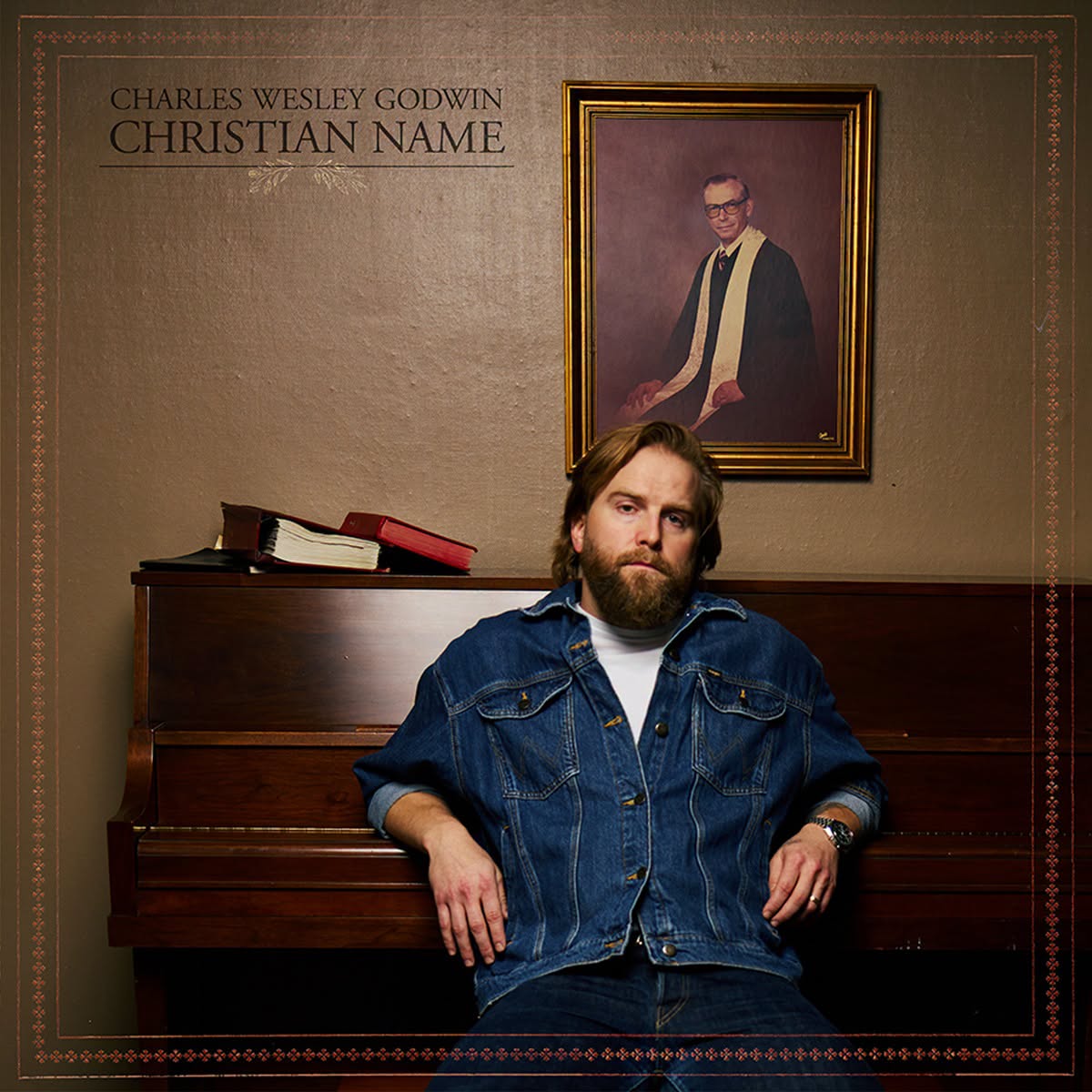
There are albums about grief, and then there are albums born from it. Charles Wesley Godwin's Christian Name belongs firmly in the latter category. Written in the aftermath of the heartbreaking stillbirth of his son Samuel, the record is not simply an exploration of loss-it is a painstaking journey through doubt, sorrow, faith, and, ultimately, hope. While many artists would understandably be consumed by despair, Godwin somehow transforms unimaginable pain into one of the most moving Americana records of the year.
The album opens in the most unexpected way possible-with "Sermon." Rather than easing listeners into the story, Pastor Dave Stacy delivers a message on the Book of Job, framing the album around one of Scripture's greatest questions: Why do the righteous suffer? It is an unconventional opening, but one that immediately establishes Christian Name as more than a collection of songs. This is a spiritual pilgrimage.
From there, Godwin gradually invites listeners into his world. "Try Again" emerges as one of the album's emotional turning points. Driven by soaring guitars that blend gospel warmth with heartland rock, the song refuses to remain trapped in despair. The repeated declaration, "I think I can try again, without asking why again," captures the difficult choice to keep living after unimaginable loss. It isn't triumphant-it is quietly courageous.
The album finds welcome moments of light through "Better That Way," featuring Luke Combs. Rather than dwelling on tragedy, the duet celebrates the ordinary blessings that suddenly become extraordinary after suffering. Combs complements Godwin beautifully without overshadowing him, and together they create one of the album's most accessible and uplifting moments. The infectious melody provides much-needed breathing room amid the emotional weight.
The emotional centerpiece, however, is "Hey There Son," featuring Wyatt Flores. Originally begun after the birth of Godwin's first child, the song took on devastating new meaning after Samuel's death. The final verse, in which Flores sings from the imagined perspective of a son speaking back to his father, is quietly heartbreaking. It is handled with remarkable restraint, allowing the emotion to emerge naturally rather than manipulating the listener.
The title track, "Christian Name," wrestles honestly with inherited faith and personal belief, inspired by Godwin's Methodist-preacher grandfather. Rather than offering simplistic theological answers, the song explores what faith looks like after life refuses to make sense. That honesty becomes one of the album's defining strengths.
Closing number "Brand New" offers the record's resolution without pretending every wound has healed. Its cinematic arrangement gradually builds toward a beautiful confession of surrender before dissolving into a gentle acoustic finale. Redemption here isn't presented as the absence of pain but as the presence of God within it.
Musically, Christian Name remains rooted in Americana, Appalachian folk, country rock, and gospel influences. Longtime producer Al Torrence surrounds Godwin's warm tenor with arrangements that feel expansive without becoming overwhelming. The album's many co-writers-including Lori McKenna, Stephen Wilson Jr., Liz Rose, Aaron Raitiere, and Travis Meadows-bring moments of hope and perspective that keep the record from becoming emotionally exhausting.
If there is any criticism, it is that the album's measured pacing occasionally causes several mid-album tracks to blend together. The reflective mood rarely breaks, and listeners hoping for greater stylistic variety may find themselves wishing for a few more dynamic shifts. Yet even that restraint feels intentional, mirroring the slow, uneven process of healing itself.
Few albums this year are likely to match the emotional honesty of Christian Name. Charles Wesley Godwin doesn't exploit tragedy; he bears witness to it. The result is a profoundly human record that wrestles with faith without abandoning it and grieves deeply without surrendering to hopelessness. It is both heartbreaking and healing-a rare achievement that lingers long after the final note fades.


