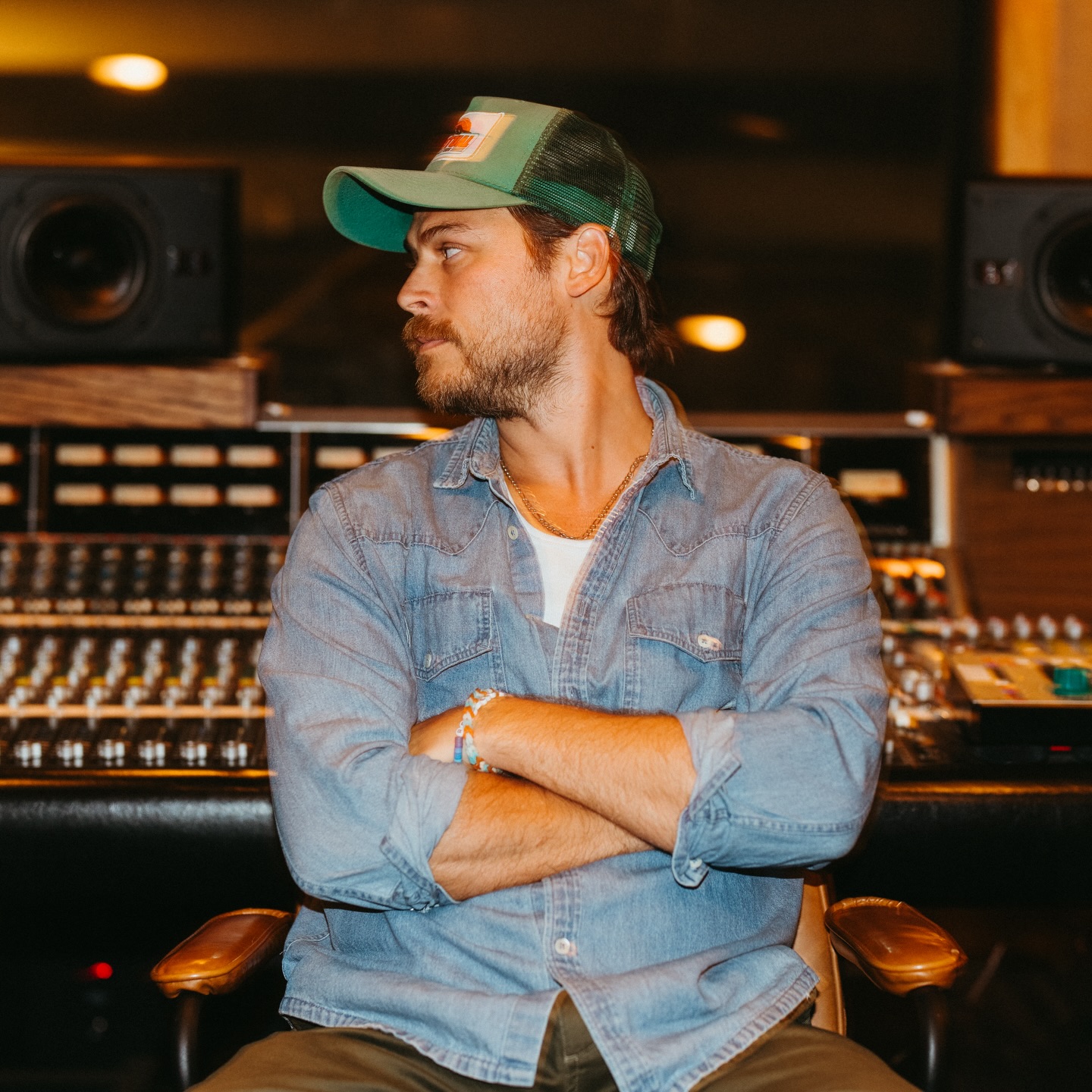
After years away from leading worship, Cory Asbury is pulling back the curtain on why he walked away from the worship music world-and his answer has little to do with music itself.
The "Reckless Love" singer says he became deeply disillusioned by what he saw happening behind the scenes of the worship industry, where platform, chart success, and celebrity often seemed to overshadow genuine devotion to God.
Speaking with ChurchLeaders while touring with Forrest Frank on the "Jesus Generation" tour, Asbury reflected on what he described as a personal "renaissance of the soul" that ultimately led him back to writing worship music.
The worship leader admitted that years in the industry had left him spiritually drained.
"When you've been in it a long time, you can get bored with it. You can get cynical. You can get jaded," Asbury said.
But one person played an unexpected role in changing his perspective: Forrest Frank.
Asbury credited the chart-topping Christian artist with showing him that it is still possible to minister without losing authenticity or allowing cynicism to take root.
"He was a big catalyst to show me that...you can stay completely transparent, completely honest, and completely pure before the Lord, and that's all that matters," Asbury explained.
Even more inspiring, Asbury said, was watching his teenage son and his friends passionately pursue Jesus-a reminder of the raw, childlike faith that first drew him into worship.
That renewed passion has shaped his upcoming album, Outsing the Angels, due for release on Sept. 18. Asbury described the project as an invitation to return to joyful, wholehearted worship rather than polished religious performance.
Still, it was his candid assessment of the worship industry that caught the most attention.
"I don't want anything to do with an industry of worship, meaning the business of worship," Asbury said. "I don't have any interest in that."
Reflecting on his rise to national prominence after "Reckless Love," Asbury said he witnessed what he believes was a troubling shift in priorities.
"I saw a lot of people...abusing the platform," he said. "I saw them abusing the privilege of writing worship songs."
He also recalled hearing conversations where the focus centred on achieving a No. 1 CCLI ranking rather than helping people encounter God.
"'Oh man, we just got to get that CCLI No. 1...If we get that, everything's good,'" Asbury remembered hearing. "I'm sitting here going, wait a sec, that can't be the goal."
Instead, Asbury believes the most enduring worship songs are born from authentic experiences with God rather than strategic attempts to climb industry charts.
When asked what concerns him most about the church today, his answer came without hesitation.
"Celebrity culture," Asbury said. "I think it's silly, man."
After more than five years away from worship ministry, Asbury now says he has rediscovered the passion that first inspired him to write songs of praise-one rooted not in platforms or popularity, but in genuine encounters with God.


