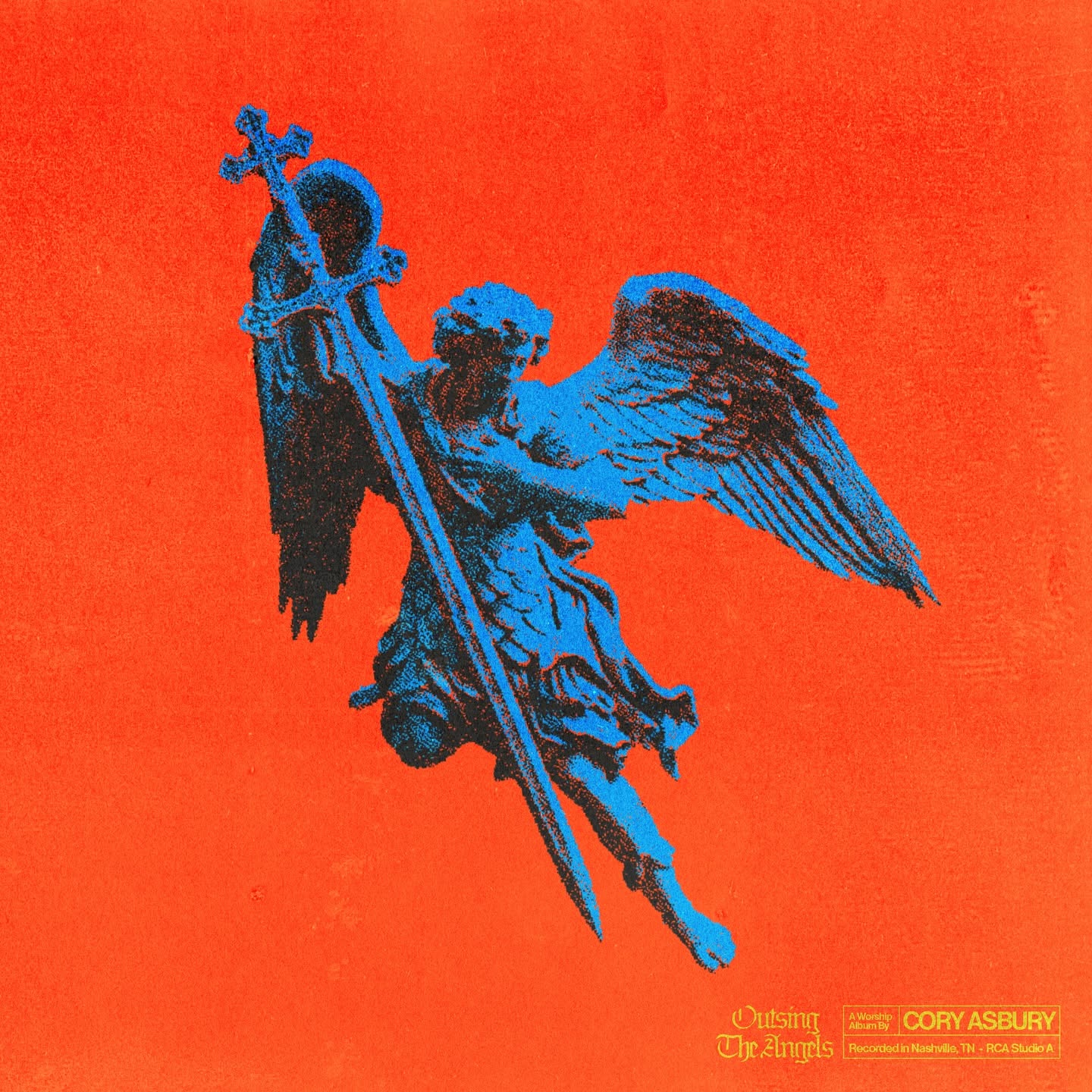
Prime Cuts: "Outsing The Angels," "Prodigal God," "My Closest Friend"
Overall Grade: 3/5
Five years after stepping away from worship music, Cory Asbury returns with an album that sounds less like a calculated comeback than a recovered calling. Outsing The Angels does not attempt to reproduce the enormous success of "Reckless Love." Instead, Asbury presents a focused collection about approaching God with wonder, gratitude and the imperfect praise of ordinary people.
The circumstances surrounding his return give the title track additional weight. After spending several years pursuing a country-oriented direction, Asbury was challenged by Forrest Frank to reconsider the calling he had abandoned. When an unexpected opportunity to lead worship reminded him where he belonged, the experience helped redirect his music. Consequently, Outsing The Angels is not merely another worship album; it documents an artist learning to worship again.
The opening title track captures that renewal beautifully. "Outsing The Angels" begins with the impossible idea that human beings might compete with heaven's choir, but its point is not vocal superiority. Humanity's advantage is its experience of redemption. Angels may possess purer voices, but forgiven sinners sing from personal knowledge of grace. The congregational refrain-"We may not outsing the angels, but at least we're gonna try"-turns theological wonder into a joyful invitation.
That childlike exuberance distinguishes the song from the calculated crescendos crowding contemporary worship. Its swelling voices convey communal delight rather than manufactured spectacle. Asbury is not performing before an audience so much as inviting people to lose their composure with him.
"Only Ever" moves from collective celebration toward personal surrender. Its extended running time allows the song to develop patiently, resisting the pressure to reach its climax too quickly. Asbury's weathered vocal delivery serves this material well: he sounds less concerned with technical perfection than with making the words believable.
"Prodigal God" provides one of the album's most arresting titles. By applying "prodigal" to God, the song emphasizes divine extravagance rather than divine waywardness-the Father's apparently excessive generosity toward wandering children. It revisits territory associated with "Reckless Love," but the older Asbury sounds less interested in defending a provocative adjective. Here, the astonishment emerges from the story itself: God runs toward those who have wasted what they were given.
The reverent "Holy God" offers a necessary counterweight. Asbury's best-known work often emphasizes divine intimacy, but this song recovers transcendence. God is not merely the comforting answer to human need; he remains the holy One before whom worshippers respond with awe. Placed alongside "Prodigal God," it preserves an important tension: the Father who welcomes sinners is also the God who exceeds them.
"All Saints" broadens the album's vision beyond the solitary worshipper. Contemporary worship can easily collapse faith into a private exchange between "God and me," but this song locates praise within the communion of believers. The church sings with generations past and anticipates the gathering still to come. That larger horizon complements the title track's heavenly imagery and strengthens the album's sense of shared worship.
"My Closest Friend" brings the record back to intimacy. It is quieter in conception than the album's larger declarations, presenting communion with God as companionship rather than spectacle. The song makes an appropriate conclusion because it reveals what remains after the choir fades: not the emotional memory of a musical climax, but the presence of God.
The album's weakness is its reliance on familiar worship architecture. Gentle openings expand into broad choruses, repeated phrases invite congregational participation, and restrained verses regularly yield to sweeping declarations. These conventions make the songs immediately usable in churches, but they also limit the musical surprise. Listeners hoping that Asbury's country detour would produce a radical reinvention may find the record safer than expected.
Some lyrics also favor emotional accessibility over theological precision. Repetition occasionally substitutes for development, and several ideas could have benefited from another verse rather than another cycle through the chorus. Yet the album's compact length prevents these tendencies from becoming exhausting.
What ultimately carries Outsing The Angels is the congruence between the songs and Asbury's recent journey. He is not singing about return as an abstract spiritual theme. He is a worship leader who left, questioned his vocation and found his way back. That history gives the record a humility absent from many triumphant comeback projects.
Outsing The Angels may not overturn the conventions of modern worship, but it restores conviction to them. This is the sound of Cory Asbury rediscovering why he sings-not to surpass heaven, repeat past success or defend his reputation, but to offer God the imperfect voice he still possesses. The angels need not fear the competition. The victory is that Asbury has joined the song again.


