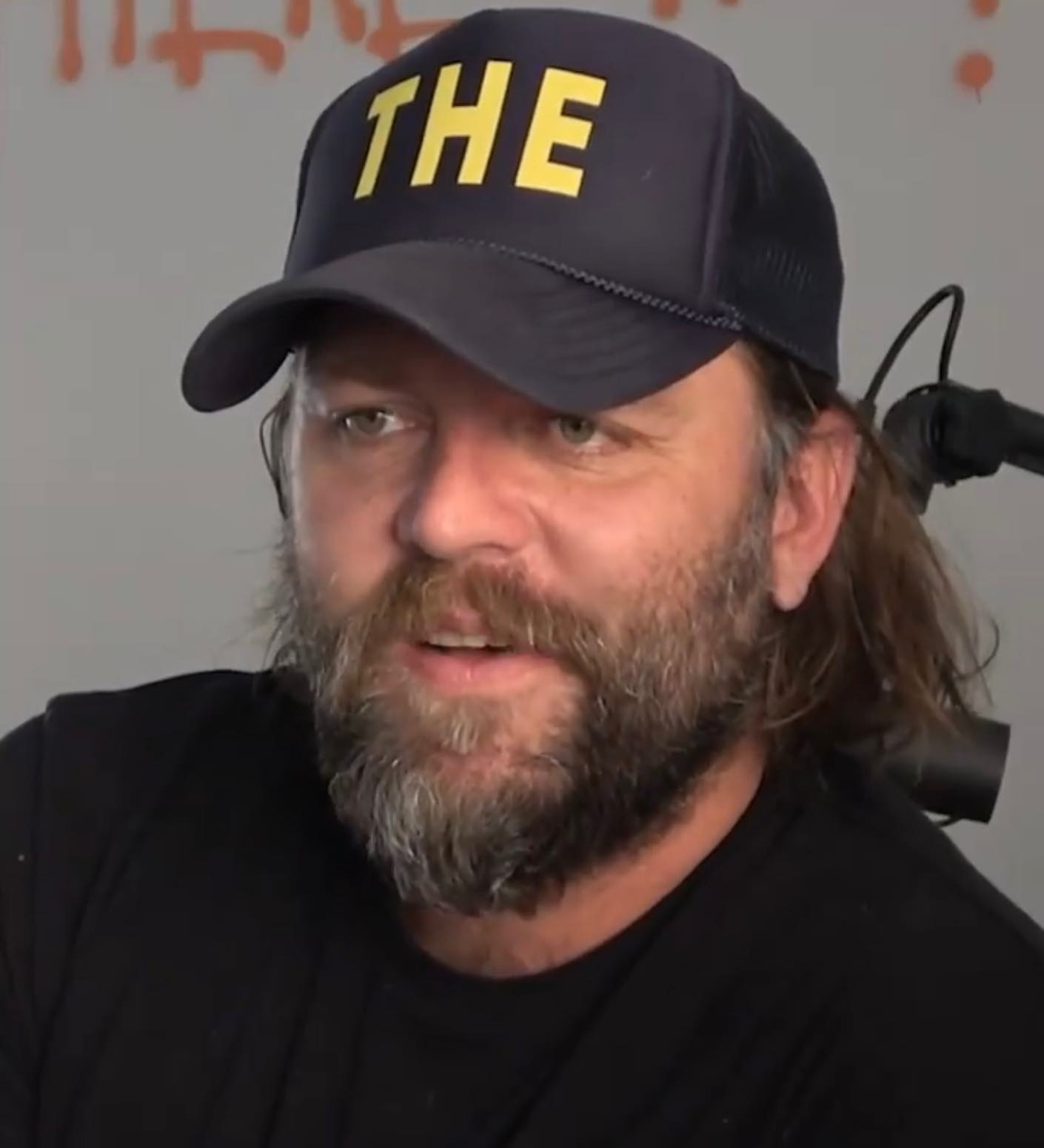
Joel Houston helped give a generation of Christians the words to worship. Now, the Hillsong UNITED leader is revealing how difficult it became to walk into church himself-and why returning to the microphone was never a foregone conclusion.
In a revealing conversation with Rich Wilkerson Jr. on the October 14 episode of Mature Me, Houston discusses years of withdrawal, physical anxiety around church attendance, and the grief of seeing the church life he had always imagined unravel. For listeners wondering where he has been, his account reaches far beyond taking a break from touring.
"I spent two or 3 years there, like we're not really going to church," Houston admits. He acknowledges that the disclosure may shock people, particularly given how closely his life and music have been associated with Hillsong.
Houston describes that period as a grieving process. Having devoted his life to one church, he had never imagined a future in which it would no longer be his spiritual home. Visiting another congregation brought its own emotional complications: the familiar world he had helped build was suddenly something he had to learn to live beyond.
He compares the experience to a divorce, while explicitly making clear that he remains happily married. The comparison conveys the depth of his attachment to church-and the disorientation of losing a relationship he had expected to last a lifetime.
His difficulty attending services also had a physical dimension. Houston recalls experiencing anxiety and nausea around going to church during his final years in New York, placing the beginnings of that struggle before the later upheaval he discusses. Unable to explain the reaction, he began questioning whether something was wrong with him.
That left him facing an uncomfortable question: how could he keep doing public ministry when he did not feel firmly rooted in a local congregation? Continuing simply because he knew how to do the job began to feel insincere.
Houston says his Christian faith remained strong throughout this period. He maintained relationships with trusted people and engaged with church online, even while attending in person proved difficult. He also says he has since found a church he loves, offering a significant development for fans concerned about his spiritual well-being.
His account becomes especially searching when the conversation turns to success. Houston recalls a season when his family life was good, ministry opportunities kept expanding, and seemingly everything was working. Yet the achievements visible to everyone else did not resolve what he was experiencing internally.
The milestones that might appear to validate years of sacrifice failed to deliver the fulfillment he had expected. His reflections raise a pointed question for a Christian music culture accustomed to celebrating bigger crowds and greater reach: what happens when the person leading the worship is struggling beneath the success?
For Houston, that tension reaches back much further than his recent absence. Growing up as Brian Houston's son meant hearing questions about whether he would follow his father into ministry before he had worked out what he wanted for himself.
He recalls being conscious of how others might view a pastor's son writing songs and leading from the front. However, he credits his father with avoiding pressure and trying to protect him from those expectations. The burden, as Houston describes it, also came from the assumptions surrounding his family name.
Even as UNITED grew, the platform remained uncomfortable territory. Houston says he had long associated public ministry with responsibility and weight. During his recent years away, he became comfortable without a microphone-and uncertain whether he would lead worship again.
That makes his appearance at the Parable Conference particularly meaningful. Discussing the experience with Wilkerson, Houston likens returning to worship leading to an athlete getting back into a game after a long absence. Initial uncertainty gave way to gratitude that he could still participate.
But does that mean a full UNITED comeback is coming?
Houston expresses openness to more years of ministry through UNITED and says he believes God may still have work for him there. His comments leave room for renewed activity, although the interview provides no confirmed album announcement, release date, or touring schedule.
For now, his priorities include his health, marriage, fatherhood, friendships, Scripture, and creativity. He describes returning to painting and writing without needing every creative act to serve an immediate public purpose.
Houston also explains why he has resisted saying more during the intervening years: he was still trying to understand the experience himself. Speaking confidently while privately wrestling with unresolved questions would have created another burden.
For Christians whose faith has been shaped by UNITED's music, that may be the interview's most compelling revelation. The man who helped them sing about surrender has been confronting what surrender requires when familiar roles, expectations, and certainties fall away.
Whether that journey leads to another UNITED record remains an open question. What Houston offers here is a candid account of why picking up the microphone again carries far more weight than simply stepping back onto a stage.


