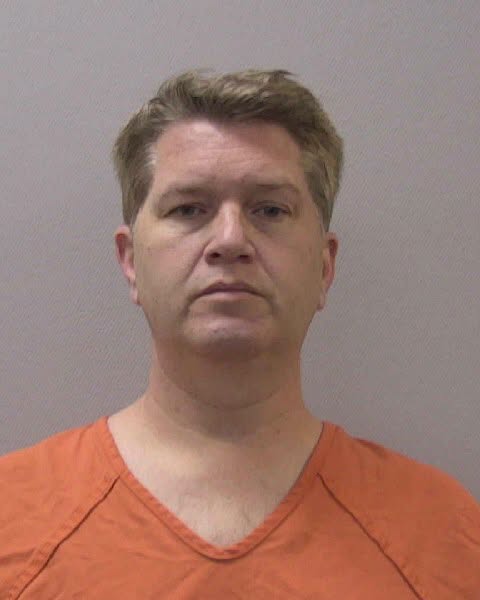
A nine-count federal indictment against former South Carolina worship pastor Richard Channing Shealy has brought renewed scrutiny to allegations involving child sexual abuse material, including images prosecutors say depict abuse dating to 2004 and 2006. The case connects an alleged online exchange in February 2026 with accusations reaching back more than two decades.
Shealy, 54, of Lexington, is charged with producing, distributing and possessing child sexual abuse material, according to an October 21 announcement from the U.S. Attorney's Office for the District of South Carolina. An indictment is an accusation, and Shealy is presumed innocent unless proven guilty beyond a reasonable doubt.
According to prosecutors, the investigation involved Shealy allegedly sharing abuse material with an undercover Homeland Security Investigations agent through a peer-to-peer file-sharing network. Authorities subsequently searched his home under a warrant and allegedly discovered additional files on his computer.
Among those files, prosecutors allege, were images of a child Shealy sexually abused in 2004 and 2006. The production allegations therefore concern more than the alleged possession or circulation of existing material: They accuse him of involvement in creating records of abuse.
ChurchLeaders reports that this is Shealy's third indictment involving related allegations. Citing reporting by The Post and Courier, the publication also identifies previous interim worship pastor roles at River District Church in West Columbia and Lexington Baptist Church, along with an appearance as a guest speaker for the Fellowship of Christian Athletes at Gilbert High School.
Those reported connections establish part of his public ministry history. They do not establish that any alleged offense occurred at those institutions, involved someone he met through ministry, or was known to church or school leaders. The federal announcement does not identify his former congregations or describe an institutional response.
That gap matters as the case draws attention from Christian readers. A former pastor's indictment can prompt urgent questions about trust and safeguarding, but answers require a documented timeline: when he served, what responsibilities he held, when allegations became known and how any relevant institution responded. The material currently available does not resolve those questions.
The distinction between the dates of the alleged abuse and the dates of any ministry appointments is particularly important. Without that information, readers cannot responsibly draw conclusions about whether his church work overlapped with the alleged conduct or what opportunities institutions had to respond.
The charges carry substantial potential penalties. Prosecutors identify maximum prison terms of 30 years for the production charges and 20 years for the distribution and possession charges, with possible fines of up to $250,000 per count. These are potential statutory penalties, rather than a sentence imposed on Shealy.
For churches following the proceedings, the case presents a concrete accountability question: How can congregations provide accurate information about a former leader's service while protecting the privacy of anyone who may have been harmed? A credible response depends on verified records, cooperation with investigators and care in distinguishing established facts from unresolved allegations.
As the prosecution proceeds, the central task remains determining what happened and securing justice for any victims. Shealy's former ministry roles make the case a matter of concern for Christian communities, while the allegations themselves demand careful reporting that keeps the children at the center.


