Overall Grade: 4/5
Prime Cuts: "Heal My Faith," "James 1:17 (Jesus Is King)," "'Til You Can't"
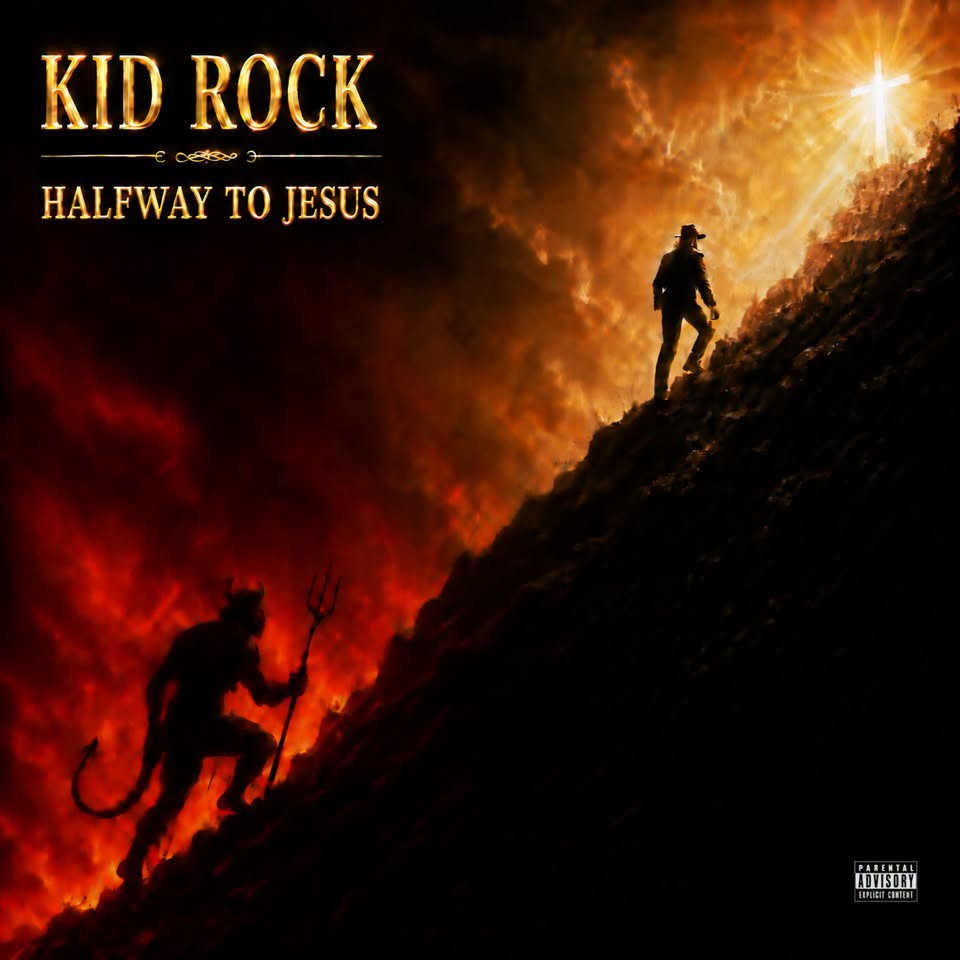
Kid Rock's Halfway 2 Jesus finds its strongest subject in the distance between professing faith and learning to live it. Across its seventeen tracks, declarations of belief sit alongside confessions, appeals for reconciliation and reminders of old attachments. The resulting portrait of spiritual change is sometimes untidy, but that tension gives the album something more interesting to explore than an uncomplicated conversion story.
The brief opener, "Freedom," introduces a word that will acquire competing meanings throughout the record: spiritual release, personal independence and national identity. Its placement establishes a useful framework for an album that repeatedly moves between those concerns. "James 1:17 (Jesus Is King)" supplies the clearest declaration of purpose, connecting forgiveness and baptism with an explicit confession of Christ's kingship. Its repeated chorus makes the message accessible, although the biblical reference receives less development than the title initially promises.
On "7 Sins," featuring Lil Wayne, the focus shifts from proclamation to moral struggle. The acknowledgement of wrongdoing gives the album a necessary counterweight to its more confident statements of belief. "Why Don't You Look Into Jesus" offers a direct invitation to seek an answer beyond oneself. Within the album's sequence, that outward appeal usefully follows the admission of personal failure.
"Heal My Faith," featuring Eminem, makes reconciliation concrete through the rappers' shared history. Eminem's recollection of Rock's early encouragement gives the appeal for friendship across political differences an autobiographical foundation, while the profanity complicates its fit within a Christian listening context. "Water Into Wine" introduces a more questionable use of Scripture, invoking the miracle at Cana in a defence of drinking. The provocation exposes a recurring tension: religious language can challenge old habits, but it can also become a convenient justification for keeping them.
The title track, "Halfway 2 Jesus," featuring Gary LeVox and Jimmie Allen, centres the movement towards spiritual light. Its title provides the album's most productive idea: the narrator remains someone in need of change. "I Don't Drink the Whiskey Anymore" initially reads as a testimony of recovery before revealing that romantic attachment remains the habit the narrator cannot break. That turn gives the song more emotional complexity than a straightforward declaration of sobriety.
"God Is Good" brings perseverance into the album's testimony. Its emphasis on having been doubted also invites a useful distinction between gratitude to God and satisfaction at proving other people wrong. "Broken Hearted People" extends the concern beyond the narrator's own redemption towards people carrying emotional wounds. Its appeal to love gives the album a welcome pastoral dimension. "'Til You Can't" connects the urgency of loving people while there is time with the urgency of responding to Jesus. Rock's added verse makes the Christian application explicit, turning an existing message about missed opportunities towards repentance and second chances.
"Why Don't You Look Into Jesus (RIRI Mix)" returns to the earlier invitation. Repeating the song reinforces its importance, although a second version also raises questions about the economy of a seventeen-track programme. Finally, "God Bless the USA" shifts the closing emphasis towards patriotism. It fits the album's recurring interest in freedom, although ending with national allegiance leaves the explicitly Christian journey less decisively resolved.
Halfway 2 Jesus offers substantial material for reflection on forgiveness, friendship and the unfinished work of change. Its strongest writing gives those themes particular human situations; its weaker moments settle for repetition or leave difficult theological implications unexplored. The four-star case rests on that willingness to bring failure into the testimony-and on the moments when a public declaration becomes a personal admission.


